

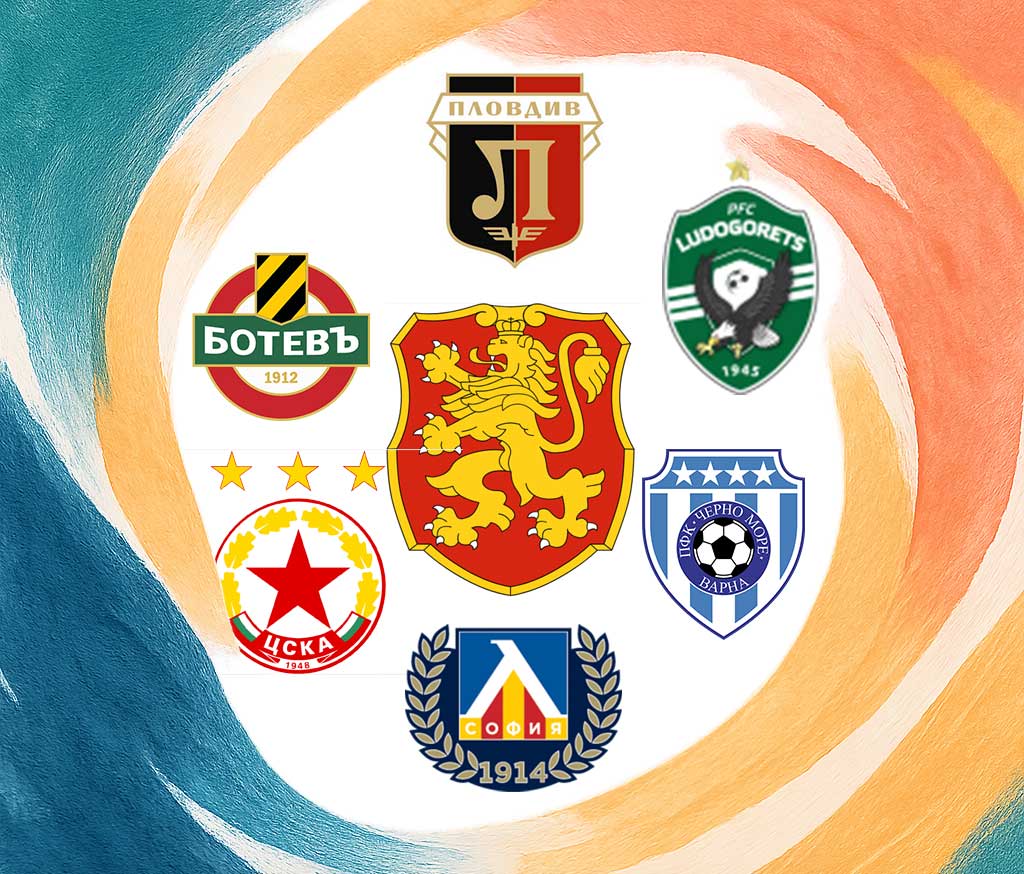
If you’re visiting Bulgaria and want to strike up a conversation with locals, football is a natural topic in Europe and Bulgaria is no exception. Just be careful how you approach the topic. The talk about football in Bulgaria isn’t just a sport. It’s a deeply emotional, often fiery part of the national identity. Supporters can be fiercely loyal to their teams, and rivalries run deep, especially in major cities like Sofia and Plovdiv.
So, whether you’re a football fan yourself or just curious about local culture, here’s how to enjoy Bulgarian football conversations without accidentally starting a heated debate.
- Passionate Football Rivalries on the Local Stadiums
- How to Know a Match Day is Brewing
- Talking About Football Without Stepping on Toes
- At the Stadium: Where to Sit and How to Behave
- Bulgaria’s National Football Team: A Source of Pride
- Famous Bulgarian Footballers: National Icons
- Talk About Football in the Museum
- Useful Links
Passionate Football Rivalries on the Local Stadiums
When locals talk about football in Bulgaria, all eyes turn to the First Professional League, where historic rivalries, and passionate fanbases define every season. These rivalries aren’t just played out on the pitch. They live in barroom debates, street murals, and unfortunately, sometimes in the streets themselves.
While hooliganism has declined in recent years, clashes between fan factions (especially involving “ultras,” the most zealous supporters) do still occur especially before or after a big game. In some cases football fans are used by certain circles and sponsors as a tool for political pressure.
The Eternal Derby in Sofia
In Sofia, the football scene is dominated by two major teams: Levski (“the blues”) and CSKA (“the reds”). Their rivalry is legendary and sometimes spills over into real-life tension. Matches between these two sides, known as The Eternal Derby, bring out thousands of supporters, and often a heavy police presence. The talk about football in Sofia might touch generations, as parents pass their passion for one team or another onto their children.
Historically, Levski Sofia framed itself as the “team of the people” aligned with anti-establishment, democratic, and national values. The team was founded in 1914 and named after Vasil Levski, Bulgaria’s 19th-century national liberation hero. During the communist era (1944–1989), Levski became an outlet for silent political dissent. CSKA fans often use dispute Levski’s pure anti-establishment myth.
CSKA Sofia was established in 1948 directly under the Bulgarian People’s Army, making it the official club of the communist establishment. Hence the abbreviation – Central Sports Klub of the Army. CSKA fans view their club’s legacy through its European achievements (reaching European Cup semi-finals and defeating giants like Liverpool, Ajax, and Bayern Munich) rather than communist politics. The red color, stars, and name remain symbols of glory to their supporters, while Levski rivals label them a creation of the regime.
To make this a little complicated when you talk about football, there are two CSKAs: CSKA Sofia and CSKA 1948. Following the original CSKA Sofia’s financial collapse in 2015, the club split into two separate entities competing in Bulgaria’s top tier. A Businessman acquired a top-flight license from another team (Litex Lovech) and formed CSKA Sofia at the historic stadium, securing the support of most fans. Meanwhile, dissenting fans and former figures launched CSKA 1948 which started from the amateur leagues but soon became recognised and successful, resulting in two distinct clubs that both claim the historical CSKA legacy.
Plovdiv Rivalries and Notable Regional Clubs
The second major football battleground is in Plovdiv, where fans of Botev and Lokomotiv Plovdiv (aka “Loko”) clash in their own city derby. Although the scale is smaller than in Sofia, the emotions are just as intense as those in the capital. Do not mistake the Lokomotiv Plovdiv with the Lokomotiv Sofia, as this might create tension.
Here we will make a Honorable mention: the Ludogorets (Crazy Forest) team. This is Bulgaria’s most successful club in the modern era. If you are discussing the football in Bulgaria with locals you can mention its frequent appearances in the group and knockout stages of both the Champions League and the Europa League. It’s based in the small town of Razgrad located in Northern Bulgaria. If you want to talk about football in Bulgaria, you might be interested to know that the team is owned by prominent businessmen with interests in pharma, logistics and real estate.
And last, lets’s talk about football in other cities. Cherno More (Varna) is the only prominent team from the Black Sea region but it is one of the country’s historic top-flight mainstays, regularly competing at the top of the table. And last, Beroe (Stara Zagora) is famous for the strong regional support in central Bulgaria.
How to Know a Match Day is Brewing
In cities like Sofia and Plovdiv, match days come with their own atmosphere. As a tourist, you might not even need to check a schedule, the city often lets you know.
The increased police presence is the most obvious indicator that the game starts soon. In Sofia, keep an eye around the Vasil Levski National Stadium, especially near Borisova Garden, Orlov Most, and NDK (National Palace of Culture). On these days, mounted police and riot units are not uncommon.
Mounted police patrol Borisova Garden during derby matches, and traffic may temporarily stop on Evlogi and Hristo Georgiev Blvd. While these precautions might look dramatic, they’re mostly preventive. If you’re a tourist, you’re unlikely to find yourself in real danger, unless you intentionally walk into a group of ultras (extremely passionate fans) wearing the opposing team’s colors and logo.
You may hear chants, drums, or flares in the hours before a game, especially if fans are marching toward the stadium.
The city of Plovdiv follows a similar pattern. On match days, police are stationed around key locations, especially near the stadiums and central avenues. It’s best to avoid large, boisterous groups wearing black or team colors if you’re unsure who they support.
Talking About Football Without Stepping on Toes
Football talk is a great way to bond with locals, if done with a bit of sensitivity. You might think casual football talk is harmless, but in Bulgaria, it can quickly get personal. Navigate these conversations tactfully.
Ask Questions Instead of Making Statements. Saying “Bulgarian football is weak” might be your opinion, but it’s not one locals will appreciate. Even if results suggest decline, that kind of comment can be seen as insulting or condescending. A better approach? Do you think Bulgarian football is on the rise again?” This shows interest and respect, and it invites people to share their passion.
Mention the 1994 World Cup with admiration. The Bulgarian team won fourth place on this event held in the USA. This remains a treasured moment in Bulgarian football history. Yeah, many people were not born at this time but they have heard and feel proud of this moment.
Compliment the passion of the fans. Bulgarians are proud of their dedication. Noticing the atmosphere, commitment, or emotion of a local derby can go a long way.
Avoid Political Comments. Some fan groups are associated with nationalist or political movements. It’s best to stay away from political discussions altogether. Even vague statements can be misinterpreted. Stick to sports talk, without the subtext. It’s best to avoid this topic unless you’re truly informed and know your audience well.
At the Stadium: Where to Sit and How to Behave
If you’re attending a match, the energy can be unforgettable, but your seat matters. To have a good time without getting into trouble Avoid the ultras sections. These areas are loud and sometimes confrontational. They’re not ideal for tourists. Better choose a neutral sector, These are safer and better suited for casual fans or visitors.
Follow the crowd’s cues. Don’t cheer when others are silent, and certainly don’t mock the home team or its supporters, even in jest that can be vaguely misinterpreted. Even something seemingly lighthearted like a photo during a tense moment or an Instagram caption poking fun at the game could be misinterpreted.
Bulgaria’s National Football Team
While local teams spark rivalry, the Bulgarian national football team has moments that unite the nation if joy and disappointment.
The most celebrated achievement? The 1994 FIFA World Cup, when Bulgaria reached the semi-finals and finished in fourth place. For many Bulgarians, this was a defining moment. The team’s success brought joy during a difficult political transition period, and the memories remain vivid today.
Before that, Bulgaria reached the final at the 1968 Summer Olympics, and qualified for several World Cups and European Championships. Unfortunately, the national team hasn’t qualified for the World Cup since 1998, or for the European Championship since 2004.
When discussing the national team, you’ll rarely go wrong mentioning 1994. That summer is remembered fondly across generations.
Famous Bulgarian Footballers: National Icons
Hristo Stoichkov
Often regarded as the greatest Bulgarian footballer of all time, Hristo Stoichkov is a household name. Born in 1966, he made his mark in the 1990s playing for Barcelona, where he was part of Johan Cruyff’s “Dream Team.” Known for his fierce personality and explosive temper, Stoichkov’s talent was undeniable. Hristo Stoichkov achieved global legendary status by winning the 1994 Ballon d’Or and the World Cup Golden Boot. He wore the number 8 shirt during his glory days, and today he runs a football apparel brand, H8S, a nod to his iconic number. He is involved in sports commentary and business ventures.
Dimitar Berbatov
Another modern legend, Dimitar Berbatov is known for his elegant ball control and cool demeanor on the pitch. He became Bulgaria’s top scorer with 48 international goals. Berbatov played for top European clubs, including Bayer Leverkusen, Tottenham Hotspur, Manchester United, and Fulham. Dimitar Berbatov reached the top of English football as a two-time Premier League champion and Golden Boot winner with Manchester United. Born in 1981, Berbatov is now involved in philanthropic work through the Dimitar Berbatov Foundation, helping young Bulgarian talent in sports.
Georgi Asparuhov (“Gundi”)
A romantic figure in Bulgarian football, Gundi is remembered not only for his talent but also for his humility and spirit.Tragically, his career and life were cut short in a car accident in 1971, at just 28 years old. Georgi Asparuhov “Gundi” received many national prizes in the 60’s and he was posthumously voted Bulgaria’s Greatest Footballer of the 20th Century. Levski Sofia’s stadium bears his name, and in 2024, the biographical film Gundi was released, offering insight into the man behind the myth.
FAQ About the Football in Bulgaria
Bulgarian football’s golden era was the 1994 FIFA World Cup.
Unfortunately, the National team is in a prolonged deep crisis. This is a source of great frustration for fans.
Extremely passionate and often marred by hooliganism and violence. Organized ultras groups are prominent, especially for CSKA, Levski, and Botev Plovdiv. While creating an impressive atmosphere, rivalries sometimes lead to clashes.
Yes, absolutely. It’s generally safe for neutral fans if you are cautious. Avoid wearing colours of the rival team in the wrong section. Dress neutral.
Buy online via club websites or at stadium ticket offices.
Useful Links
- Bulgarian Football Union is the governing body of football in Bulgaria, responsible for managing the domestic league system, overseeing the national teams, and regulating official competitions across the country.
- The Football Leagues in Bulgaria (official website)
- First League Championship Bulgaria for teams and schedule
- Museum of Sports (in Sofia)
- Football Club Beroe (Stara Zagora)
- Football Club Botev (Plovdiv)
- Football Club Cherno More (Varna)
- Football Club CSKA (Sofia)
- Football Club Levski (Sofia)
- Football Club Lokomotiv (Plovdiv)
- Football Club Ludogorets (Razgrad)
- Dimitar Berbatov (player, official website)
- Hristo Stoichkov (player, official website)
Talk About Football in the Museum
For those looking to explore the glorious past of Bulgarian football, the National Sports Museum offers a fascinating journey through the country’s athletic history. Located inside the Vasil Levski National Stadium building in Sofia, the museum houses personal belongings, vintage gear, and iconic kits worn by Bulgaria’s greatest players.
Highlights include the captain’s armband and shirt of legendary forward Hristo Stoichkov, which he personally donated to the collection. Visitors can also admire a trophies, honors, and historic memorabilia documenting the defining moments and greatest triumphs of Bulgarian football.
Talk About Football as Identity
In Bulgaria, football isn’t just about the game, it’s about loyalty, memory, and community. While it may seem intense at times, it’s also an entry point into Bulgarian life and passion. Whether you’re watching a match from a safe distance, talking to locals about their favorite players, or just enjoying the city’s vibe on game day, remember that respect goes a long way.
You don’t need to be a fan to enjoy the energy. So cheer along, enjoy the atmosphere, and when in doubt, stay neutral. Sometimes the best way to enjoy Bulgarian football is simply to be a witness to its raw, unfiltered spirit.