

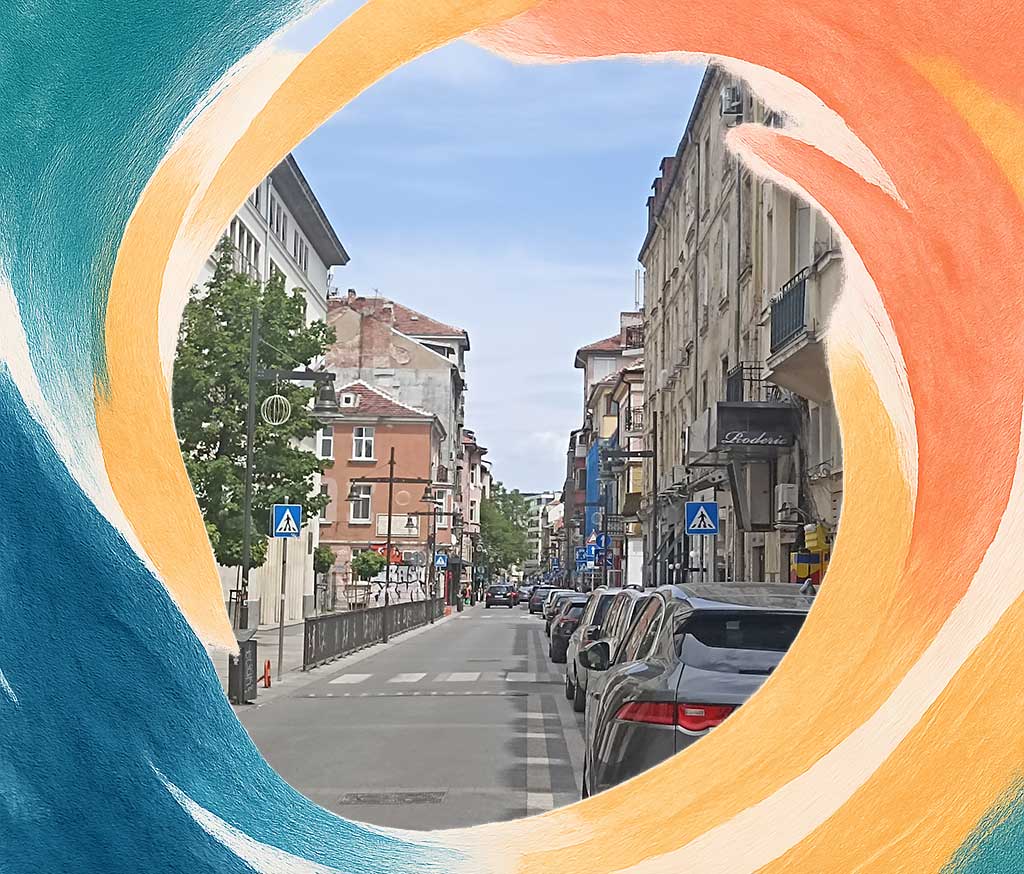
Renting a car in Bulgaria offers flexibility for travelers who want to explore beyond major cities, but there are important local specifics to consider. While international rental chains like Hertz, Avis, and Europcar operate here, local companies such as Top Rent A Car also established strong reputations with competitive pricing and personalized service. This article won’t delve into the general process of renting a car but will instead highlight key considerations unique to Bulgaria, especially regarding driving conditions, parking, insurance, fuel, and cross-border travel.
TL;DR – Is it safe to rent a car in Bulgaria?
- Select your rental car company carefully.
- Double check with the rental company the insurance policy.
- Electric vehicles are great for cities.
- Gasoline or diesel are better for longer journeys.
- Parking in the central areas of some cities can be a problem.
- Children under 150 cm in height or 36 kg in weight should use car eats or booster seats..
Table of Contents
- Choosing the Right Car, Fuel and Stations
- Insurance Protection Against Unforeseen Risks
- Vignette is Bulgaria’s Toll System
- Seasonal Challenges when Renting a Car in Bulgaria
- Driving and Parking When Renting a Car in Bulgaria
- Driving and Parking in Sofia
- Road Conditions
- Driving Culture
- Navigation and Road Signs in Bulgaria
- Traveling with Children when Renting a Car in Bulgaria
- Border Crossings When Renting a Car in Bulgaria
- Useful Links
Choosing the Right Car, Fuel and Stations
Traditional gasoline cars and hybrids are the standard choice for rentals in Bulgaria. While electric vehicle (EV) charging networks are expanding, hybrids remain the most practical option for longer cross-country road trips.
For consistent fuel quality, stick to major national and international chains. Shell, OMV, EKO, and Petrol are widely available across major highways and cities, offering reliably high fuel standards and well-stocked convenience stores. Lukoil stations remain common across the country, though ownership transition details are ongoing due to international restructuring. Avoid smaller, non-branded local stations, as fuel quality can occasionally be inconsistent.
If you decide to rent an EV, keep the in mind that charging can be challenging. While charging options are well-developed in major cities like Sofia, Plovdiv, and Varna, networks remain in development in rural areas.
Use Vsichkotok.bg, an excellent local platform that maps active EV charging stations across Bulgaria (and even extends into North Macedonia). Fully electric vehicles enjoy free parking in designated municipal paid zones (Blue and Green Zones) in major Bulgarian cities.
For a look at how rental car prices shift with the seasons, check out this fascinating article from GetMyRides, which breaks down pricing trends across Sofia, Plovdiv, Varna, and Burgas throughout the year.
Just like elsewhere around the world, confirm your rental company’s policy before leaving the lot. Most operate on a “full-to-full” basis.
Insurance Protection Against Unforeseen Risks
When renting a car, full coverage insurance is highly recommended, not just for collisions but also for vandalism. Rental companies usually offer coverage at higher cost but this may be wise given poor road conditions in some areas and the poor attitude of some Bulgarian.
In Bulgarian cities, especially in residential areas, parking disputes are common, some locals treat public spaces near apartment blocks as their personal spots, and unauthorized vehicles may be scratched, keyed, or even have mirrors broken. Local rental companies are well aware of these risks, but without full coverage, verbal explanations won’t hold up. They will simply charge your credit card for any visible damage upon return.
Vignette is Bulgaria’s Toll System
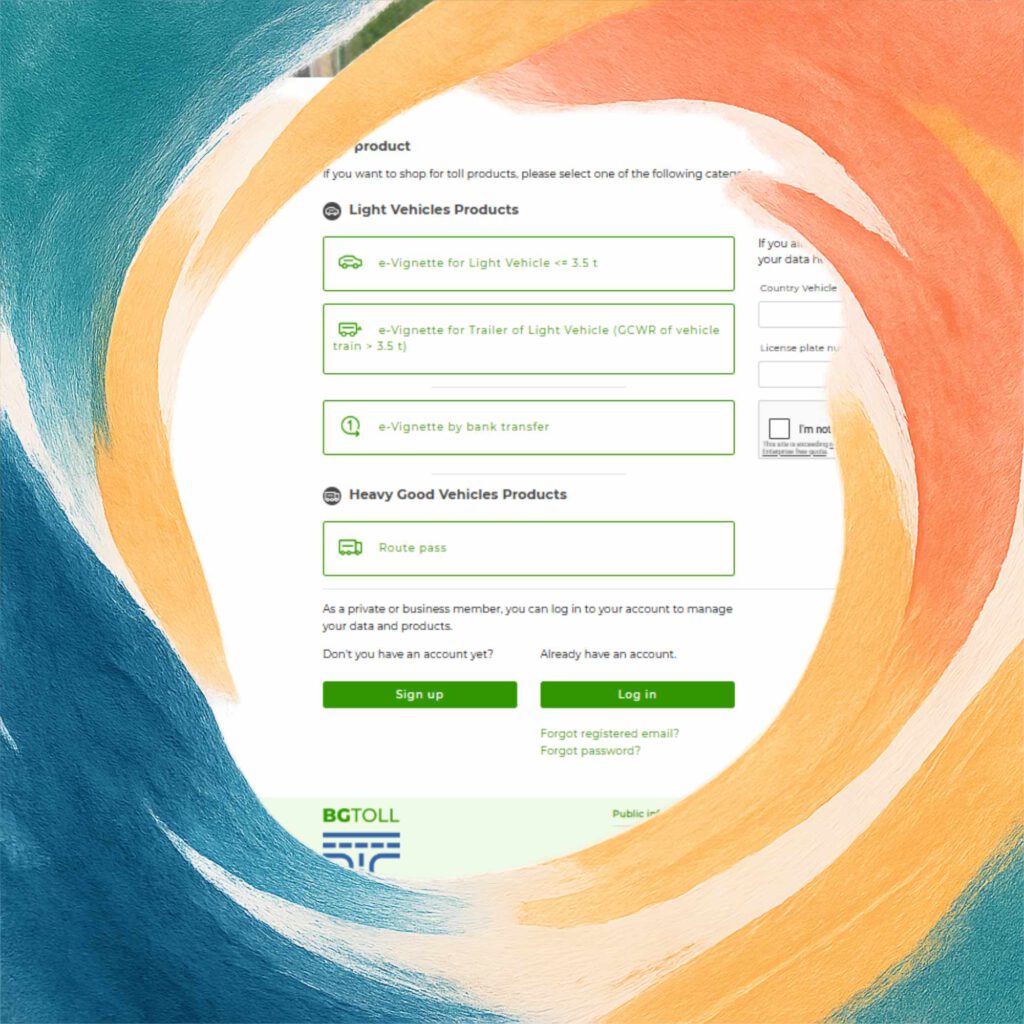
Driving on highways and national roads in Bulgaria requires a paid toll in the form of an e-Vignette.
If your rental car doesn’t have an active vignette, automated automatic number plate recognition cameras along the roads will flag the vehicle, resulting in hefty fines that the rental company will ultimately pass on to your credit card. To avoid this headache, always verify with the rental company that an active vignette is included with the vehicle.
Vignettes are tied directly to the car’s license plate and you can double-check the status yourself. You can verify active coverage by following these steps:
- Visit the official portal at web.bgtoll.bg (available in English and several other languages).
- Click “Check Validity” (Проверка на валидността) directly on the home screen.
- Select the country of registration (Bulgaria) and enter the car’s plate number (e.g., CB1234BC) to view its current status.
If your rental car does not come with a vignette, you can easily purchase one directly on the same website. Flexible options are available depending on your trip length, including Daily, Weekend, Weekly, Monthly, and Quarterly options.
From the same website you can buy a vignette in case your car doesn’t have one. You can select from Daily, Weekly and Monthly options.
Seasonal Challenges when Renting a Car in Bulgaria
Each season in Bulgaria brings distinct conditions that impact road safety and travel times. When renting a car, your choice of vehicle and specs should match both the season and your planned destinations—whether you stay in major cities with regular road maintenance or head into mountain and coastal resorts.
Winter & Shoulder Seasons (November to April) can be harsh. If you plan to rent a car between January and March, consider choosing an SUV or a vehicle with higher ground clearance.
Bulgarian law mandates winter tires (or tires with a minimum tread depth of 4 mm) from November 15 to March 1. When picking up your rental during transitional months or before heading into mountain regions, double-check that the vehicle is equipped with suitable winter tires and snow chains.
While winter temperatures can drop to -15 C or -20 C, summer temperatures frequently exceed 40 C, particularly in regions like Plovdiv and towns along the Danube River.
Check if the car has air conditioning. Never take working AC for granted. Always verify with the rental company that the vehicle’s air conditioning system is fully functional and recently serviced before driving off especially in the summer months.
Driving and Parking When Renting a Car in Bulgaria
Beyond the capital, traffic is generally lighter, but larger cities and popular destinations like Varna, Burgas, Sunny Beach, and Bansko experience heavy congestion during peak tourist seasons (summer and winter respectively).
Coastal towns such as Nesebar and Sozopol face severe parking shortages, forcing drivers to leave cars in unofficial spots, sometimes leading to fines or towing.
Mountain resorts like Borovets and Pamporovo also struggle with limited parking, especially on weekends when skiers flood the area. Planning ahead and arriving early can save time and frustration.
Driving and Parking in Sofia
Traffic in Sofia can be challenging, particularly during rush hours in the morning and late afternoon, when main arteries like Tsarigradsko Shose and Bulgaria Boulevard become heavily congested.
Parking in the city center is notoriously difficult, with paid blue and green zones requiring SMS or app payments and stay limited to 2-4 hours respectively. Finding an available spot is often a struggle, making paid parking lots and garages a safer and more convenient option.
Outside the center, leaving your car at a Park & Ride lot near metro stations (such as those at Tsarigradsko Shose or Vasil Levski Stadium) is a smart alternative, allowing for easy access to public transport.
Road Conditions
Bulgaria’s primary highway network is a work in progress, presenting distinct contrasts across different routes
Trakia Highway (A1) remains Bulgaria’s only fully completed highway, providing a direct route between Sofia and Burgas on the Black Sea coast.
Hemus Highway (A2)is designed to connect Sofia with Varna on the Black Sea, Hemus holds legendary status among locals due to its perpetual construction. Initially planned in 1971, ground broke in October 1974. Decades later, major stretches remain under construction, with complete connection not realistically expected before 2032. Don’t miss your chance to drive on this road and literally become part of history!
Bulgaria’s only completed highway connects Sofia to Burgas via Trakia Highway (A1), while other routes like the Struma Highway (A3) to Greece remain partially finished for decades, with ongoing construction causing traffic jams.
The highway connecting Sofia and Varna is called Hemus Highway (A2) and its construction has a special place in the heart of all Bulgarians. Don’t miss your chance to get on this road and be part of the history. Its plannin started in 1971 and the actual construction in October 1974. As of today, the highway is still under development. For now the finish of its construction is expected for 2032.
Struma Highway (A3) leading south toward Greece remains partially unfinished after decades of development. Its active construction zones are frequently causing traffic bottlenecks especially in the summer months.
Secondary and regional roads can be unpredictable. While many stretches are modern and newly renovated, others suffer from severe potholes, degraded surfaces, and missing or unclear signage. Drive cautiously, as surface quality even on recently repaved routes can sometimes deteriorate rapidly under heavy seasonal wear.
Driving Culture
Driving in Bulgaria is generally straightforward, but local driving habits require extra vigilance, particularly in urban areas and late at night. Beyond the urban traffic, Bulgaria’s countryside roads lead to incredible hidden gems, ancient monasteries, and pristine mountain scenery. Outside peak city hours, the roads are often wide open, allowing you to enjoy your journey stress-free.
Reckless driving in Bulgaria is a real hazard. Speeding, sudden lane changes without signaling, and tailgating are common. Stay alert, leave generous following distances, and let aggressive drivers pass.
On wide main avenues and ring roads in major cities like Sofia, late-night street racing or reckless maneuvers occasionally occur. Avoid driving late at night if you are unfamiliar with the area.
If you get into a minor fender bender, remain calm and contact your rental agency and 112 immediately. Avoid heated confrontations on the road; let the authorities handle it.
Speeding, drunk driving, and disregard for traffic rules are not uncommon. Tourists should stay alert, especially at night, and avoid confrontations in case of disputes, as local law enforcement often favors local residents in accidents especially in smaller towns where everyone knows everybody.
While day-to-day driving is safe for the vast majority of tourists, it’s worth noting that police corruption and judicial inefficiency are real issues in Bulgaria. High-profile cases, such as the infamous Sofia Ring Road crash where officers escorted a reckless driver resulting in a tourist fatality, underscore why local trust in law enforcement remains low.
BTV News: Court acquits police officers who escorted the driver who killed a French tourist in Sofia
You don’t need to live in fear on the road. Millions of road trips happen smoothly every year. Simply follow traffic laws, ensure you have full rental insurance coverage, and call your rental company and 112 immediately if you need assistance.
Navigation and Road Signs in Bulgaria
Road signs in Bulgaria display major cities and tourist attractions in both Cyrillic (Bulgarian) and Latin letters (English), but smaller towns and villages are typically labeled only in Bulgarian. Google Maps works reliably across the country, offering real-time traffic updates and alternative routes for roadworks or accidents.
Drivers should exercise caution, as many road signs are poorly maintained, some are rusty, have protruding edges, or are nearly invisible at night, substandard signage can be found even in popular tourist destinations like Bansko.
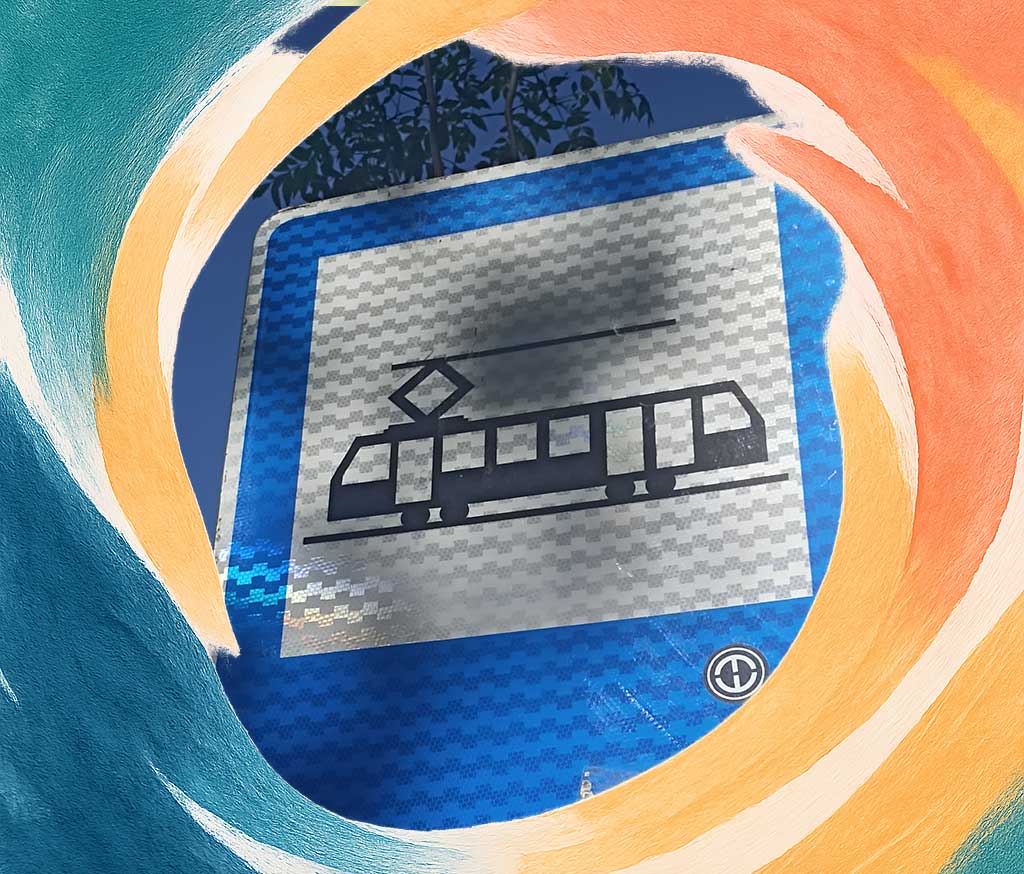
Sofia is the only city in Bulgaria with a tram network, and drivers need to treat trams with extra caution. Trams always hold the right-of-way over all other road traffic. Do not expect a tram to yield at pedestrian crossings or stop if a car cuts in front of it. Trams are massive, heavy machines sliding on metal tracks. Stopping them quickly is physically impossible.
In the city center, tram tracks run directly down the middle of the road. When a tram stops at a station where there is no physical platform island, passengers step directly into the roadway to board or get off. By law, all traffic behind the tram must come to a complete stop. You cannot pass or squeeze by; you must wait patiently in your line and behind the tram, and move forward only after its doors close and it starts moving again.
Traveling with Children when Renting a Car in Bulgaria
Bulgarian law requires child safety seats for children under 150 cm in height or 36 kg in weight. When renting a car, always request an appropriate child seat or booster seat in advance. Rental companies typically charge around €5 per day for child seats, but because availability can vary, booking early is highly recommended.
Here is our unsolicited money-saving tip: If you are traveling for more than a week, consider buying a cheap booster seat instead of renting one. While full baby/toddler car seats can be pricey (starting at €50-€60), nice brand-new booster seats start at around €15-€17.
Major local retailers like Hippoland, Komsed and RayaToys have friendly websites and large physical stores across major hubs, including Sofia, Varna, Burgas, and Plovdiv. If your child is older and only needs a booster, buying one locally can easily end up being cheaper than paying daily rental fees.
Finally, remember that seat belts are mandatory for all passengers in Bulgaria, including everyone in the back seat and children sitting on booster cushions.
Border Crossings When Renting a Car in Bulgaria
The Balkan Peninsula is fragmented into many countries, making road-trip border hopping an enticing idea. However, crossing borders with a rental vehicle requires advance planning and explicit approval from your agency.
Traveling to non-Schengen neighbors like Serbia, North Macedonia, or Turkey requires stopping at border checkpoints for passport control, vehicle registration checks, and customs checks. Queues at these borders can be long during peak summer months, so build extra time into your itinerary.
Bulgaria is fully part of the Schengen Zone. While crossing into Greece or Romania is generally seamless without systematic passport checks, other regulations still apply. Expect local electronic vignettes, vehicle registration verification, and occasional spot inspections. Check with your car rental agency for their best tips for “international” travel.
Useful Links
- BGToll web.bgtoll.bg
- Charging stations for Electric Vehicles (map) Vsichkotok