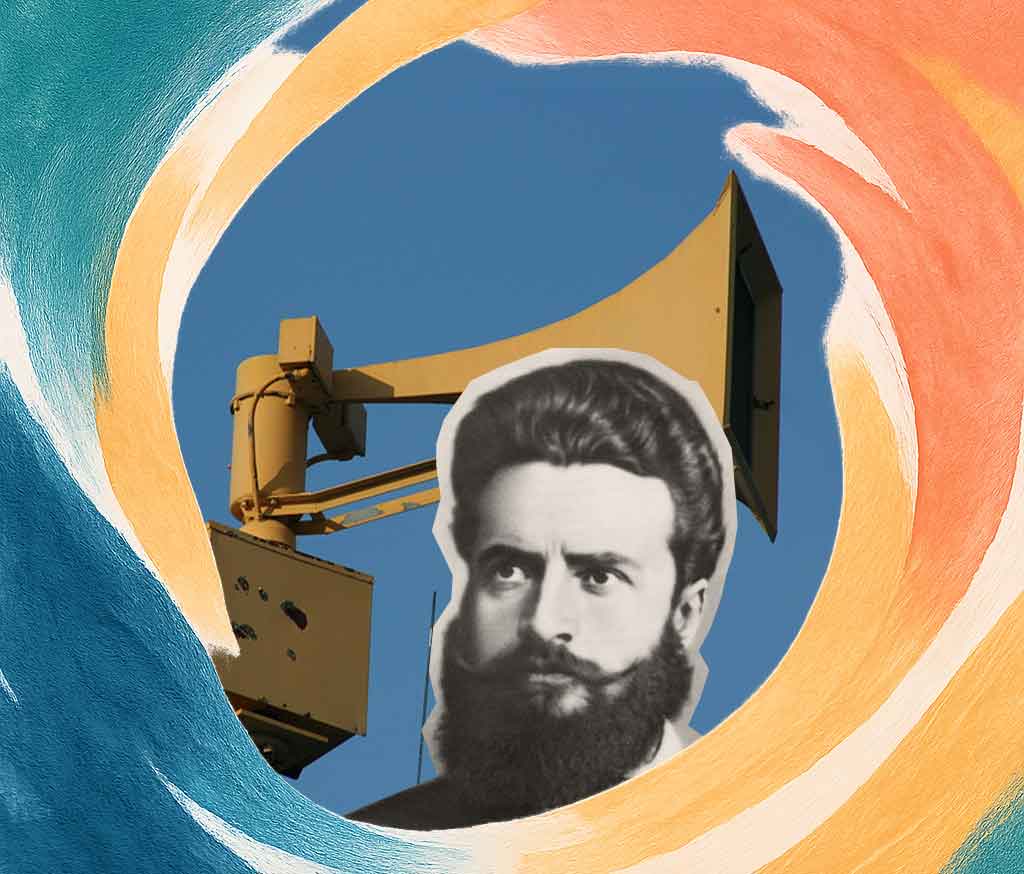
If it’s June 2nd and you hear sirens sounding in Bulgaria at exactly 12:00 noon while everyone around you stands still up and falls silent, don’t worry. You haven’t wandered into a bizarre performance art piece or a hidden camera show. Each year on June 2nd, Bulgaria marks the Day of Hristo Botev and Those Who Died for the Freedom and Independence of Bulgaria. This national remembrance honors those who perished in uprisings and wars throughout history in the struggle for the country’s liberation and sovereignty.
TL;DR – Why Sirens Sound on June 2?
- Sirens honor Hristo Botev and other fallen Bulgarian heroes
- Observed nationwide across Bulgaria
- It’s a working day, but people briefly stop
- One minute of silence at 12:00 sharp
- What Happens on June 2 at Noon?
- Where and How Is the Day Observed?
- Who Was Hristo Botev?
- How Did Hristo Botev Die?
- Who Else Is Honoured on June 2?
- Hristo Botev’s Literary Legacy
- FAQ About the Siren Sounds in Bulgaria on June 2nd
- Useful Links
What Happens on June 2 at Noon?
The commemoration of the Bulgarian revolutionary Hristo Botev and the fighters for freedom features a nationwide siren sound. Actually, the country’s civil defence alarm system, sounds for one full minute at exactly 12:00 noon. The siren is a signal for a one-minute nationwide silence. During this time, people, especially Bulgarians, stop whatever they’re doing, stand up, and remain still and silent to pay their respects.
Siren sounds in Bulgaria make it feel special but the day is not public holiday in the country. Businesses, entertainments, public transport and everything else, work with normal operating hours.
People just stop for a minute at mid-day, if possible. Of course, there are critical sectors that require actions beyond the respectful stay still approach. Car drivers can’t just jump on their breaks, for example.
Yes, you can continue doing whatever you are doing, but be sure that Bulgarians will accepted as very polite if you stop for a few seconds your lunch, meeting, or something else that is not critical.
Where and How Is the Day Observed Apart from Siren Sounds?
The civil defense sirens are active across the entire country, making this a truly national tribute. Commemorative events take place all over Bulgaria. This includes ceremonies for laying wreaths and flowers at monuments dedicated to Hristo Botev and other revolutionary figures. Recitals and ritual readings are also organised across Sofia and other towns by students, actors, and cultural organisations. All those are in Bulgarian language and are aimed at local audience but you as a tourist, might find them amusing from pure cultural point of view, so if you have a chance to attend one, grab it.
There are special speeches and performances in Botev’s birthplace, the town of Kalofer. And in the Vratsa Balkan Mountains, near the place where Botev died, a traditional national pilgrimage is held at the Botev Monument on Mount Okolchitsa.
Who Was Hristo Botev?
Hristo Botev was a Bulgarian revolutionary, poet, and publicist. Born in the mid-19th century, he died at the young age of 28. Despite his short life, Botev left behind some of the most iconic literary works of his time.
The son of a teacher, he received a scholarship to study in Odessa (in present-day Ukraine, then part of the Russian Empire). Botev was a radical who rejected all authority, whether it came from wealthy Bulgarian elites, Russian emperors, Orthodox priests, or Ottoman pashas.
Because his notorious attitude towards all authorities, he was expelled from school in Odessa, spent much time reading and educating himself in libraries and social interactions, then he worked as a teacher, and emigrated to Romania, where he briefly enrolled in medical school but never completed it. During this time he made valuable contacts with other like-minded intellectuals and rebels of the time. Despite his formal academic failures, his literary work earned wide recognition, and he built lasting relationships with emblematic figures of the era.
At the time, Bulgaria was still under Ottoman rule, and conditions were dire. Botev believed that revolution was the only radical and effective way to achieve national liberation. He often clashed with other Bulgarian activists of national liberation over strategies for independence. Botev defended the right of the Bulgarian people to self-determination and radical revolution, opposing both religious hierarchy and social exploitation.
Today, he is widely regarded as a national hero and one of the most important figures of the Bulgarian National Revival.
How Did Hristo Botev Die?
Botev spent years working with revolutionary committees focused on securing Bulgaria’s independence from the Ottoman Empire. He eventually organized a cheta, a type of paramilitary band, that would cross the Danube from Romania and join uprisings in Bulgaria. Arms procurement was a major hurdle for these groups, including Botev’s.
His plan involved hijacking a steamship to make a bold political statement that would also grab international attention. Members of the cheta were scattered in different Danube towns to avoid detection. Botev boarded the Austro-Hungarian steamship Radetzky along with part of his group, others joined on other ports. Today, the ship Radetzky is part of the National Historical Museum’s collection and can be visited during the summer.
Meanwhile, ongoing uprisings in Bulgaria were being harshly suppressed, and Botev was advised not to proceed with his plan. He ignored the warnings. His cheta disembarked in the town of Kozloduy and began moving toward nearby villages, hoping to rally local support. To their surprise, no one joined them, despite earlier assurances. Tensions within the group grew, with accusations that Botev had been misled about the people’s willingness to revolt. Ottoman forces, already on high alert, launched a strong response.
Botev’s group retreated into the Stara Planina mountain range, where they faced intense fighting, dwindling ammunition, and mounting casualties. Botev was fatally shot during a heavy battle on June 1st. His body was discovered the next day (June 2nd), left unburied. Afterward, Ottoman forces beheaded him and displayed his head in the town square of Vratsa, a square that now bears his name.
Who Else Is Honoured on June 2nd?
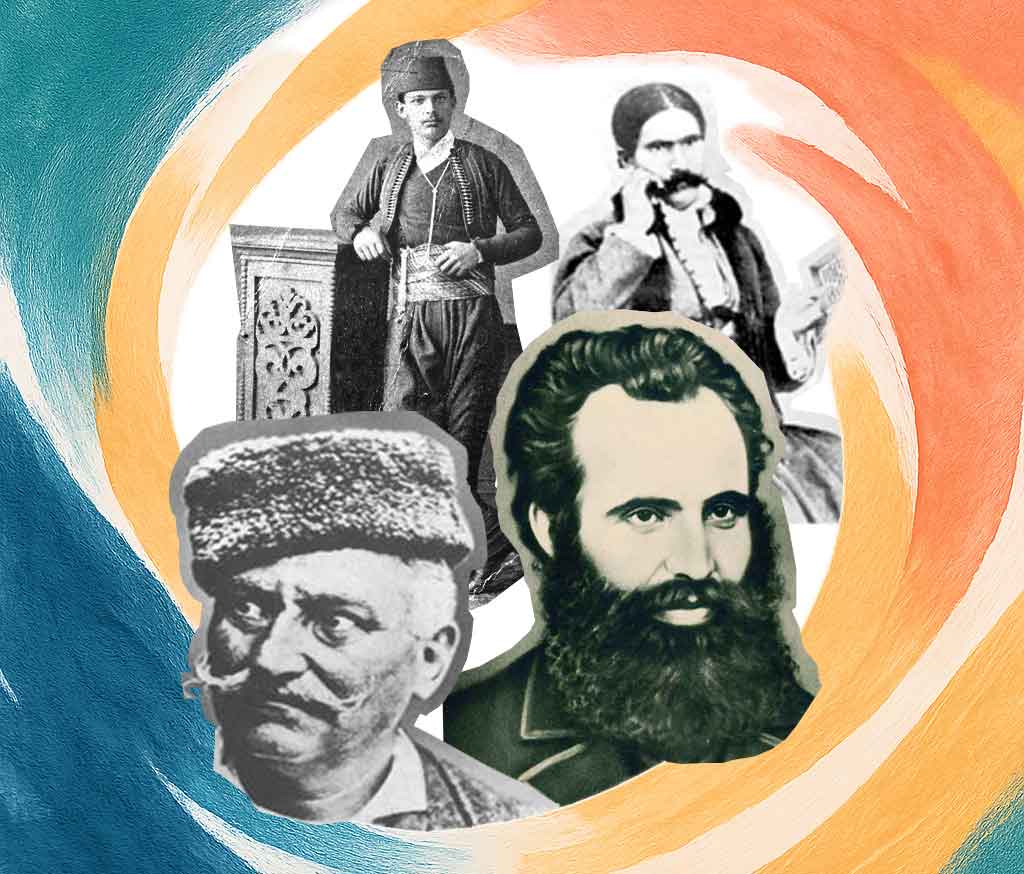
When Bulgarians speak of “those who died for the freedom and independence of Bulgaria,” they typically mean those who participated in the national liberation movement against the Ottoman Empire in the 19th century.
Bulgaria had fallen under Ottoman rule in the 14th century. Though various uprisings occurred over the centuries, it wasn’t until the 19th century that the movement for national liberation gained real momentum with organized leadership and international visibility, as revolutionaries capitalized on broader European socio-political developments in that era.
Besides Hristo Botev, other key figures include Vasil Levski, Georgi Benkovski, and many more.
Hristo Botev’s Literary Legacy
Botev was an author and active contributor to numerous newspapers in the 19th century, and his writings were widely published and celebrated. His poems and articles remain a staple of Bulgarian education and are studied in schools to this day.
Here is a quick translation of the beginning of one of his most emblematic verses, For Farewell (На прощаване) written in 1868, 8 years before his death.
For Farewell
Cry not, mother, mourn not,
that I have become a rebel,
a rebel, mother, a fighter,
so that I have left thee, dear
first child, to mourn!
But curse, mother, bane
this Turkish black prostration,
that drove us young
on this hard foreign land –
to go wandering
unloved, poor, outcast!
I know, mother, I am dear to thee,
that I may perish young,
ah, tomorrow as I cross
the silent white Danube!
На прощаване
Не плачи, майко, не тъжи,
че станах азе хайдутин,
хайдутин, майко, бунтовник,
та тебе клета оставих
за първо чедо да жалиш!
Но кълни, майко, проклинай
таз турска черна прокуда,
дето нас млади пропъди
по тази тежка чужбина –
да ходим да се скитаме
немили, клети, недраги!
Аз зная, майко, мил съм ти,
че може млад да загина,
ах, утре като премина
през тиха бяла Дунава!
FAQ About the Siren Sounds in Bulgaria on June 2nd
It is not a test, nor is it an emergency. It is the way Bulgaria commemorates the memory of those who died for national liberation.
If possible, stop what you are doing, stay still and silent for a minute. You will see many Bulgarians stand up, if seated, so you can follow their example.
Of course, there are many situations when one simply can not immediately stop doing what is being done. Noone will blame you.
Useful Links
- Hristo Botev on Wikipedia
- Works by Hristo Botev on Amazon
- Visit the legendary Radetzky Ship Museum which was hijacked by Bulgarian revolutionaries
What Are Those Sirens on June 2nd? Now You Know!
On June 2nd at exactly noon, sirens sound across Bulgaria to honor Hristo Botev and all who died for the country’s freedom and independence. People nationwide observe a minute of silence, standing still in remembrance. Hristo Botev was a revolutionary, poet, and national hero who died in battle during an armed attempt to spark an uprising against Ottoman rule. His legacy, along with those of other freedom fighters, is commemorated through ceremonies, readings, and school programs across the country.