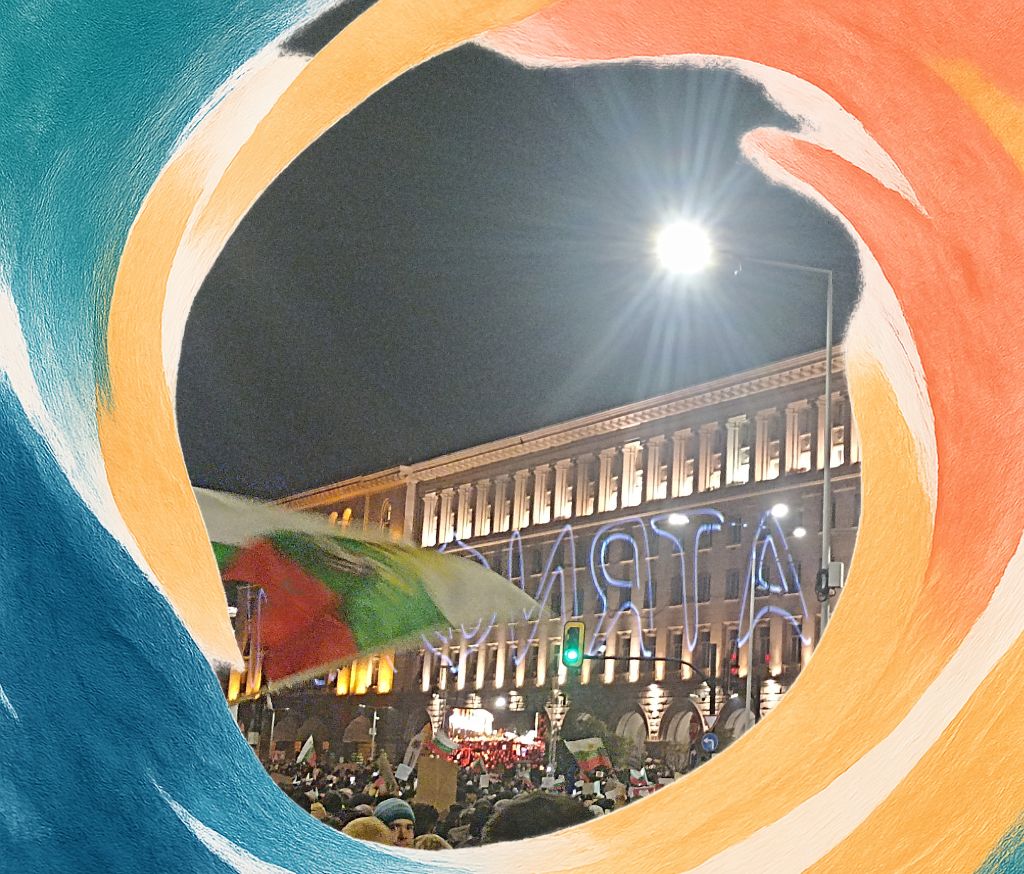
Travelling is about immersion—savouring the food, the art, and the everyday rhythm of a new destination. In Bulgaria, that rhythm occasionally includes a vibrant, noisy, and very democratic ritual: the public protest. For the culturally curious traveller, protests in Bulgaria (especially in Sofia) offer a glimpse into the nation’s civic pulse rather than a reason for concern.
If you’re wondering about protests in Sofia today or what to expect during your trip, this guide will help you navigate them confidently, respectfully, and without disrupting your Bulgarian adventure.
This article was updated in December 2025.
TL;DR – Protests in Bulgaria
- For visitors, Bulgarian protests are overwhelmingly peaceful and rarely disruptive. Most travellers never experience issues.
- They are localised and easy to avoid.
- In Sofia avoid the yellow cobblestone boulevard Tsar Osvoboditel if a protest is announced. Life continues as normal elsewhere.
- Sightseeing is safe and major tourist sites operate normally.
- Always carry ID and keep important embassy/legal numbers on paper, not only on your phone.
- What Are the Protests in Bulgaria About?
- When and Where Do Protests Happen?
- How to Find Out About an Upcoming Protest
- What to Do If There’s a Protest in the City or You Find Yourself in One
- Impact of Protests on Your Travel Itinerary
- Tourist Attractions During Protests in Bulgaria
- What Are Your Rights If You Are Detained?
- FAQs About the Protests in Bulgaria and Sofia
- Useful Links
What Are the Protests in Bulgaria About?
The protests and strikes in Bulgaria are an expression of the ongoing battle between civil society and the corruption models established over decades, as well as the desire for a better quality of life and governance. They reflect deep systemic problems and public discontent that has accumulated over time.
Some of the main reasons that have led to mass protests in recent years include: combating corruption, demands for better governance, defence of democratic values, and social and economic policies. Despite the seriousness of these topics, the demonstrations themselves are typically peaceful, orderly, and highly civic in nature.
The Political Landscape Behind the Protests
Since 2021, Bulgaria has been in prolonged political turbulence. The country has held more than eight national and local elections within four years. Numerous caretaker governments have been appointed, while elected governments often collapse due to internal disputes or public pressure.
Contributing factors include:
- Low voter turnout, which lowers the threshold for parliamentary entry
- Vote buying, particularly in economically dependent small towns
- Foreign political influence through media and social networks
- Fragmented parliaments, where forming a stable government requires multiple parties
- Short-lived coalitions that struggle to implement consistent policies
This political instability fuels frustration, resulting in frequent but peaceful demonstrations.
Essentially, protests in Bulgaria are peaceful; some are gatherings in squares, others are marches.
When and Where Do Protests Happen?
The largest and most frequent protests occur in the capital city Sofia, as the centre of power in the country. They occupy spaces in front of government buildings such as the Council of Ministers, the National Assembly, and the Presidency. This area is often called the “triangle of power.” This is the area around Independence Square and Alexandar Battenberg Square.
When they are marches, protests usually start from this area and then proceed along the yellow cobblestones to Orlov Most (Eagle’s Bridge). Protests often block Orlov Most as one of the most crucial and visible traffic points in the city.
Across Bulgaria, protests typically occur:
- In front of municipality buildings
- In main town squares
Major protests are usually organised on weekdays after working hours to allow more people to join, but you might encounter a protest during working hours. For example, a protest in front of the National Assembly on the day Members of Parliament are voting on an important law.
How to Find Out About an Upcoming Protest
Follow local English-language media (Bulgarian National Radio BNR, Bulgarian News Agency BTA). Usually, protests require prior permission, and the municipality announces the event and any changes in transport or other related matters.
You can also ask at your hotel or place of accommodation. Some protests are small or niche. For example, protests by nurses, teachers, or transport workers. Sometimes they are small and only people from that specific field or those closely following the news know about them.
If you find out there is a protest in the city you are in, it’s best to avoid the area where it’s taking place or zones with police presence and closed streets.
What to Do If There’s a Protest in the City or You Find Yourself in One
Sometimes your feet can lead you in an interesting direction and you might unexpectedly come across a protest. A gathering of people? Placards? Gendarmerie around? Don’t worry! Here are our top tips for such exciting moments:
- Don’t panic. Most protests are peaceful marches. For some protests, the police presence is greater than the number of protesters. Of course, there are also truly large-scale protests that can spill over into counter-protests or vandalism.
- Head to a parallel street to bypass the gathering.
- Follow police instructions if available.
- Keep your distance and don’t engage in political discussions.
- Avoid people wearing hoods or dressed in dark, neutral colours, as they might be provocateurs aiming to incite police aggression.
And of course, always carry personal identification with you.
Impact of Protests on Your Travel Itinerary
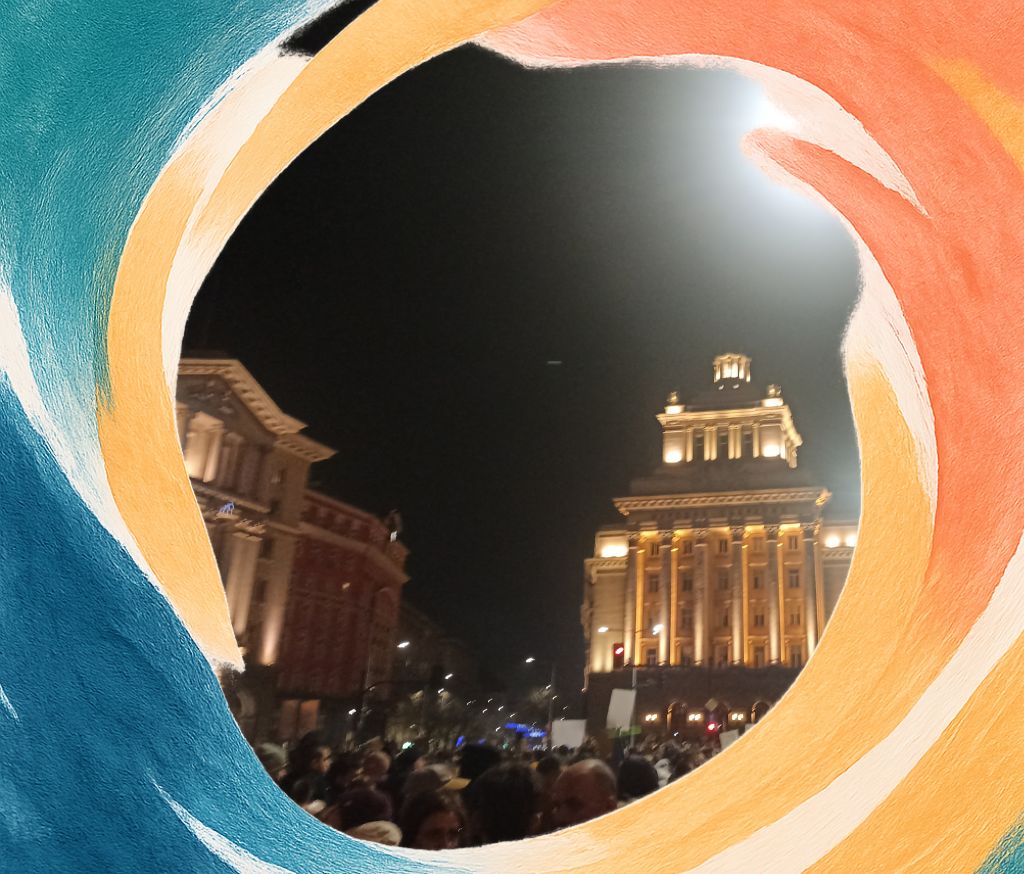
With a population of roughly six million, Bulgaria’s protests are moderate compared to those in larger European countries. Families with children and pets are often present, and the atmosphere is typically civic rather than confrontational. It’s unlikely you’ll have to make changes to your plans in case of protests, but here’s what’s good to plan for:
Personal Belongings
Carry your personal documents because the police conduct checks during protests, especially on people with backpacks. Do not carry small knives or any sharp objects in your personal bag while walking around the city, as this could be interpreted as items for provocation and aggression. For the same reason, don’t carry glass bottles in your bag. Keep your belongings close, beware of pickpockets and thieves.
Transport
There may be closed streets and diversions for public transport. If you are in Sofia, it’s best to use the metro to move around the Centre. Protests often block some key intersections in the capital like Orlov Most. This sometimes lasts half an hour to an hour, other times longer. If you are in a taxi, consider getting out, quickly walking through the protest on foot, and getting a new taxi on the other side. To check the Sofia traffic for protest today, use apps like Waze where people report for road closures in real time. You can also follow the official websites of the municipality such as the Sofia Municipality: Repairs and Traffic Changes.
Note: Use the Bulgarian language version and your preferred online translator. The English version is not regularly updated.
Establishments
Restaurants, bars and shops along the protest route may be temporarily closed to avoid falling victim to vandalism or because those business owners are also at the protest. However, outside the protest areas, life usually continues as usual.
Tourist Attractions During Protests in Bulgaria
Protests usually do not affect tourist attractions, unless they are in immediate proximity to the protest. Most large-scale protests happen after working hours anyway. So your plans won’t suffer, even if there is a protest.
Sofia Tourist Attractions to Visit Earlier on Protest Days
Think of a protest in Sofia not as a barrier to your itinerary, but as a cultural interlude. If you plan to visit these attractions on a day with protests, try to schedule your visits for the earlier hours of the day. Avoid visiting those after 5-6 PM attractions located on or very close to the yellow cobblestones:
- The former Party House, now the National Assembly building
- The Presidency
- The Rotunda (St. George)
- The Archaeological Museum
- The National Art Gallery
- The Ethnographic Museum
- The National Museum of Natural History
- The Russian Church
- The Military Club
- The old National Assembly building opposite the Monument to the Tsar Liberator
- The crossroads near Sofia University
- The Orlov Most intersection
The list seems long, but in reality, these are only some of the popular tourist attractions in Sofia, and they are all located along Tsar Osvoboditel Boulevard – essentially, the yellow cobblestones. Significant demonstrations are rare outside this area.
What You Can Safely Visit in Sofia if There Are Protests?
The previous list may seem long, but your options for sightseeing will not be limited at all, even during “major” protests!
- You can visit the Alexander Nevsky Cathedral and the charming St. Sophia Church next to it
- You can touch modernity at the Museum of Contemporary Art
- You can feel the rythm around the National Theatre Ivan Vazov and the Slaveykov Square
- Explore the vast courtyard with exhibits at the Military Museum
- Discover the secrets of the Boyana Residence and the National History Museum
- And you can find your favourite spot for a drink or a bite on Vitosha Street or one of the many small streets around the NDK (National Palace of Culture).
- When the weather permits, you can hop on a bus and enjoy the nature in the Vitosha National Park. Aleko Hut is easily accessible and serves lovely hot tea.
What Are Your Rights If You Are Detained?
Thankfully, it is highly unlikely you will need this information, but it is prudent to know your rights.
It is important to understand that detention does not begin from the moment the warrant is served, but from the moment a person cannot voluntarily leave the location. From that second on, you have the right to a lawyer and to a phone call to a close relative or representative of your country. We advise everyone not to give in to provocations and, as much as possible, not to remain alone in such moments.
It is always good to have on you written down on paper, not just in a mobile phone, the phone number of a representative from your country or lawyer, as well as someone you trust.
- You have the right to be informed immediately of the grounds for the detention, as well as the right to remain silent on all questions.
- One should not give statements to the police. It is sufficient for the detained person to ask to know the reason for their deprivation of liberty.
In case of violence being used against you:
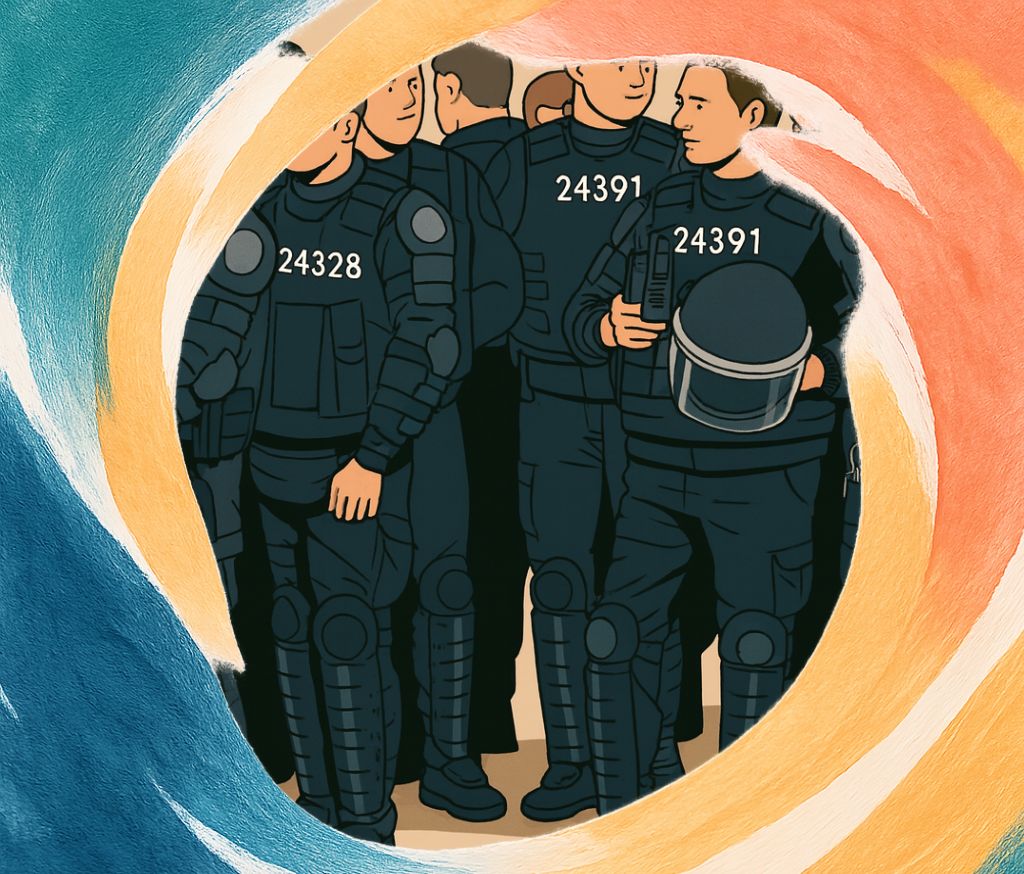
- Try to remember the individual identification number of the officer, as well as physical features that would allow later identification.
- Even during detention, a medical examination can be requested. After release it is important to immediately visit a forensic expert for a medico-legal certificate.
If you are unlawfully detained, you can apply to the European Court of Human Rights, by whose decisions Bulgaria has already been repeatedly convicted for ineffective investigation of police violence.
FAQs About the Protests in Bulgaria and Sofia
Most protests are peaceful gatherings, marches, or sit-ins. Isolated incidents or clashes are rare but can occur. Large protests may have a significant police presence to maintain order.
No. Protests are typically localised and should not deter travel. They rarely affect tourism infrastructure like airports or major hotels. Life continues normally outside protest areas.
Exercise caution. It’s best to observe from a distance. Avoid getting between protesters and police. Be discreet with photography, as some participants may object.
No. They happen far from the airports.
They usually start between 18:00-19:00 and finish by 22:00 but sometime escalations happen. If you stay away from the protest areas and stick with the well lit tourist places, you won’t have any problems.
Useful Links
- Diplomatic missions in Bulgaria on the website of the Ministry of Foreign Affairs (PDF)
- Bulgarian National Radio (official website available in 10 languages)
- Bulgarian National Television (official website)
- Bulgarian News Agency (official website)
- European Court of Human Rights (official website)
- Sofia Municipality: Repairs and Traffic Changes (official website, the English version is rarely updated, use the Bulgarian version+online translator to your language)
- Sofia Public Transport Guide
Protests in Bulgaria are a regular part of democratic expression. Consider this your essential primer to the art of the Bulgarian protest: when to watch, when to wander, and how to appreciate the complex dialogue shaping this captivating country. For tourists, they represent a potential minor logistical inconvenience rather than a safety threat. By staying informed, avoiding the protest epicentre during large gatherings, and using the metro, you can easily navigate around them and enjoy your visit.