Nestled in the scenic landscapes of Bulgaria, the Belitsa Bear Park in Bulgaria is a sanctuary dedicated to rescuing and rehabilitating brown bears. It offers a second chance at life for bears that have suffered from human exploitation. If offers first row to visitors to safely observe those majestic animals surrounded by nature and calm atmosphere.
You will see not only bears, but also some bear homes, and learn interesting facts about the place and its inhabitants. The dedicated staff are a wealth of knowledge, eager to share stories about each bear’s personality, past and even a bit of local gossip, like which bear was the first to fall asleep last autumn and the very last to wake up this spring!
TL;DR – Why Visit the Belitsa Bear Park?
- Give Rescued Bears a Better Life: Your visit directly supports the sanctuary.
- Witness a True Sanctuary: This isn’t a zoo. Observe majestic brown bears in a vast, natural forest.
- See Natural Bear Behaviour: Watch the bears exhibit natural instincts.
- An Ethical & Educational Experience: It’s a visit you can feel good about.
- A Scenic Day Trip from Sofia!
- What is Belitsa Park?
- What You Will See?
- Safe Haven, Tailored for Life
- Every Bear in the Belitsa Bear Park Has a Story
- What to Know Before You Go to the Bear Park in Bulgaria
- Location and Getting There
- How & When to Visit the Bear Park in Bulgaria
- The Bears’ Autumn Feast for Hibernation
- Terrain and Accessibility
- How to Help and What to Bring for the Bears?
- What Else to Visit in the Area?
- FAQ About the Bears in Belitsa Park
- Useful Links
What is Belitsa Park?
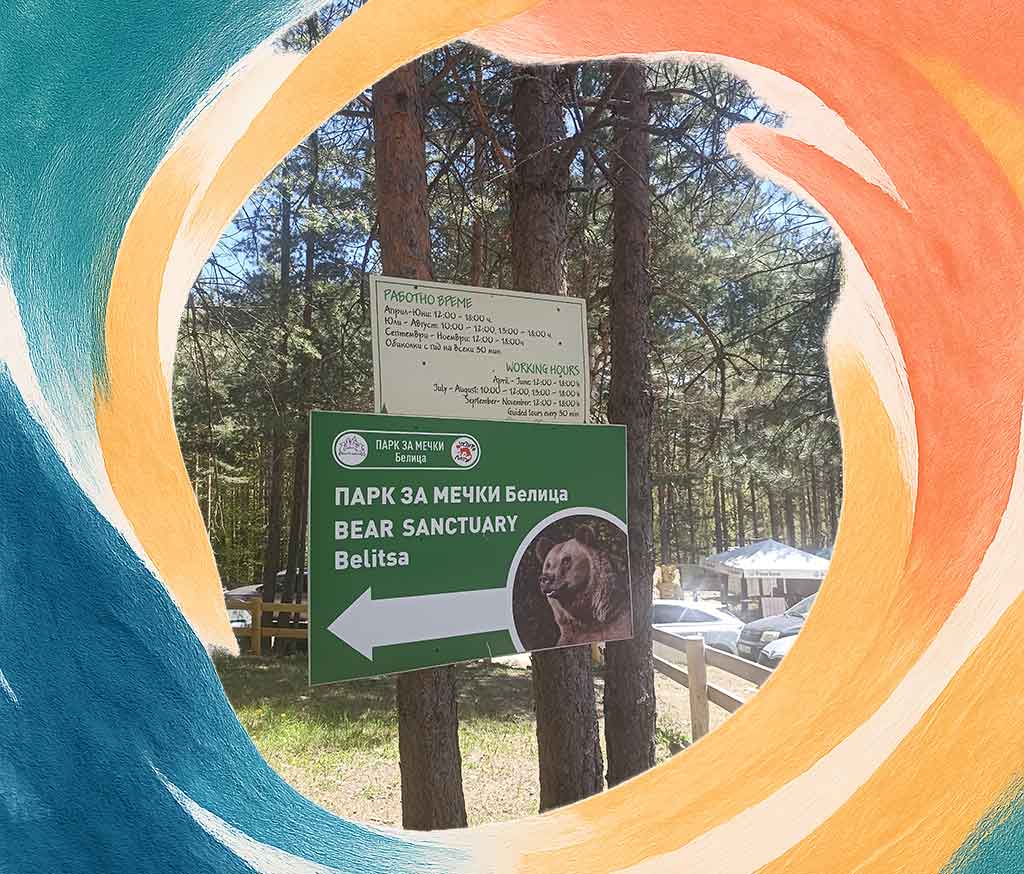
Most of the bears in the Belitsa park were once “dancing bears” from Bulgaria, Serbia, and Albania. The “dancing” is a cruel practice where bears were captured as babies from the wild and forced to play unnatural tricks for human amusement. They were chained, and forced to perform tricks for entertainment. This practice was banned in Bulgaria and later in other Balkan counties. That is how the bears were taken from their “owners” and given a new life in their natural habitat in the mountains in this park.
The park replicates wild conditions, bear sightings depend on the animals’ moods and movements because bears are free to choose their favourite spots just as they would in nature. Be sure that the park is designed in a smart way to satisfy their animal instincts, protective behaviour and people’s safety. The park guides share the individual stories of each rescued bear, offering insight into their past and their journey to recovery.
What You Will See?
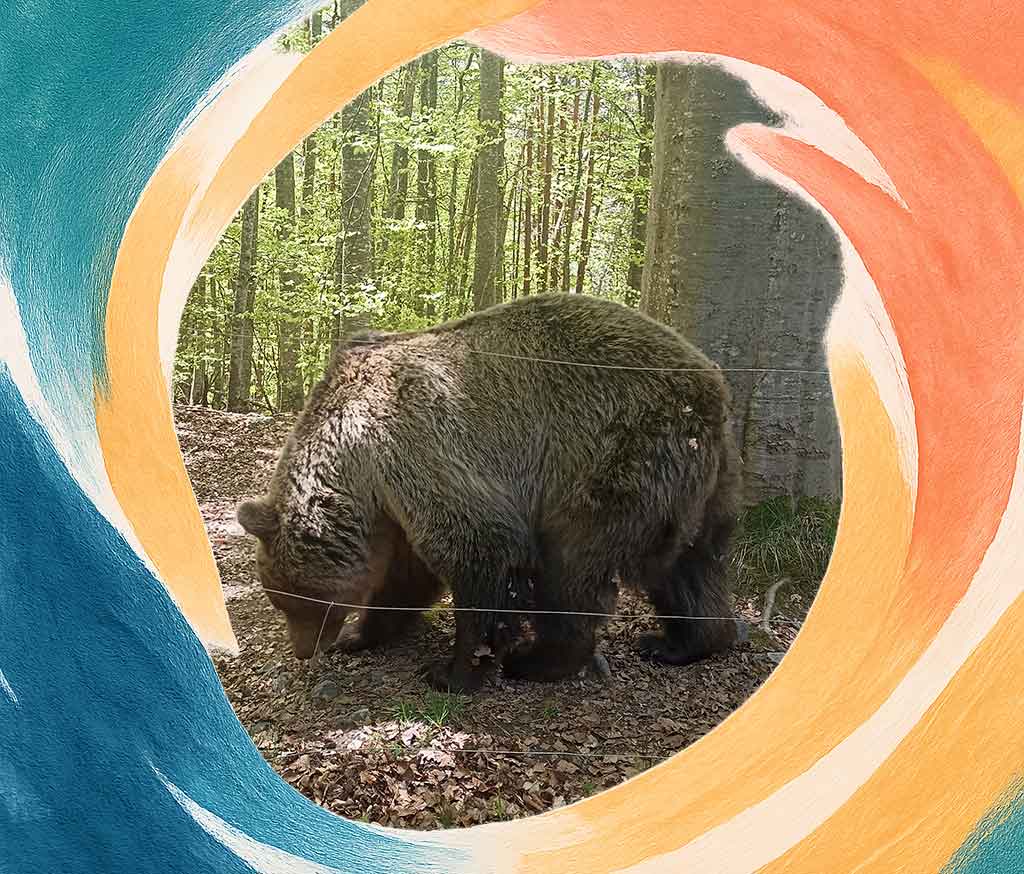
Today, these saved majestic creatures roam freely across the 12-hectare forested land, where they can swim in ponds, forage naturally, and rest peacefully in shaded areas. Visitors may observe the bears’ natural behaviours such as playing, swimming, and napping, and see the dens they’ve created.
Since the park mimics a wild habitat, sightings are not guaranteed but of course the park management and guides will do their best to show you as many bears as possible.
The park has strategically placed observation platforms that overlook large, natural enclosures. However, as the enclosures are very large and designed for the bears’ comfort, they can sometimes be resting in shaded areas out of view.
Safe Haven, Tailored for Life
Maybe you wonder why those animals are in a sanctuary and why they can’t go back in the wild nature. That’s a very thoughtful question, and you’re right to ask. The reason is both simple and heartbreaking.
Since these are bears that were taken from the wild as cubs and forced by humans to perform and entertain people, they no longer possess the instincts and skills needed to survive in the wild. Some of them also suffer from physical injuries caused by humans. That’s why they have not been released back into the mountains. Instead, they live in this park, in an environment specially designed to meet their needs and take into account their past as performing animals.
Every Bear in the Belitsa Bear Park Has a Story
The Belitsa park in Bulgaria is home to dozens of bears rescued from various human situations over the years. Unlike inhabitants of other parks, these bears actually lived alongside people for a long time before finding their permanent home in nature here. Each of them has a heartbreaking story that ultimately leads to a heartwarming happy ending.
Today, the bears welcome their human visitors without any hard feelings, happily engaging with the people who come to see them. They have come to associate humans with the care and safety of their sanctuary, and they genuinely seem to enjoy the peaceful company.
The bear Riku was rescued from a life filled with constant misery and suffering. He was found in a small shed, near his “owner’s” house, in a small mountain village in Albania. Riku had repeatedly tried to break out of the chains he was tied to, experiencing pain and discomfort. Thanks to the dedicated work of the team in the bear sanctuary in Bulgaria, he is now enjoying the life that every young bear deserves. He lives with bears Teddy, Iva and Jeta and loves to play.
Rada is 33-years-old and arrived at BEAR SANCTUARY Belitsa in Bulgaria in June, 2006. Before her arrival to the park Rada had never been able to hibernate or follow any other natural behaviour typical to bears. In the park she can follow her natural instincts. Now she is model inhabitant of the sanctuary and she is hibernating every winter!
For years the brown bear Vesko was kept in a temporary indoor enclosure of Zoo Sofia, which does not provide sufficient space and species-appropriate living conditions. The zoo was aware of this unfortunate situation and searched for alternative solutions, however, due to Vesko’s difficult health situation, all attempts failed. Sadly, Vesko, in fact, is a victim of uncontrolled breeding. In 2011 Zoo Sofia got the bear from Zoo Varna that wasn’t able to provide enough space and species-appropriate living conditions. In 2019 upon request of the Bulgarian Ministry of Environment and Water, FOUR PAWS took over Vesko to Belitsa Park. He has successfully left the past days behind Now he has gained weight and enjoys environment close to his natural one.
For many years, bear Jeta was paraded around by her owner in the summer heat on a chain attached to a ring through her nose. She was led across Albania’s beaches, towns and tourist spots for people to take selfies with her for a small fee. Every tug of the chain caused her immense pain. When she wasn’t working, she spent miserable hours on a bare concrete floor, chained inside a dark shed outside her owner’s house.
The bear Monti was rescued from a hotel in 2010. He was weighting just 50-60 kg when he was rescued, but even then he was playing with a long stick, bigger and heavier than him. Now Monti is 16-year-old, he weights almost 300 kg, but playing with wooden sticks is still his favourite entertainment.
Come visit the park and greet our brave little big heroes, along with all the other residents who now enjoy the freedom to roam, nap, or snack whenever they please.
What to Know Before You Go to the Bear Park in Bulgaria
The Belitsa Park in Bulgaria is unique sanctuary. First and foremost, this is not a zoo, it is more like a natural park. This natural place will warm your heart but do not expect that you can touch and pet the bears. They are behind a secured fence for their and your own safety. The fence has some low electricity running. It is to protect both the adorable inhabitants of the park and some super-curious visitors.
Security at the sanctuary is exceptionally high, and attempting to jump over the electric fence is an exceedingly bad idea. This holds true regardless of how soft and adorable the bears might appear, or what their unique pasts entailed, such as their history of living alongside humans as working animals.
Remember that many of these bears were raised by people, and unfortunately, not all humans treated them kindly. Because of this, certain memories can suddenly surface within them, triggering unexpected reactions. The most important rule is to simply respect their space.
In short, this means no cuddles are possible; instead, we can only watch these magnificent creatures from a safe distance as we enjoy a peaceful walk along the soft, well-maintained paths that circle the sanctuary.
This protected area is a joint project between the Brigitte Bardot Foundation and the Four Paws foundation. Visitors pay entrance ticket, donations are welcome but not obligatory.
Location and Getting There
Nestled in a picturesque mountainous region, the Belitsa Bear Park in Bulgaria is situated approximately 180 km from Sofia. This makes it an ideal day trip for dedicated animal lovers and eco-conscious tourists. It is important to note, however, that there is no direct public transportation available to reach the sanctuary. Your choices are to visit independently with a private car or to join one of the many organised tours operated by a local agency. Both of these options are perfectly viable and will get you there.
If you choose to drive, you can expect a generally well-maintained road to Belitsa. You will pass through the beautiful, elevated landscape, but be prepared for the road’s characteristic features. It is narrows in certain sections and it winds through a series of gentle curves and turns. Nevertheless, by paying close attention to the road signs and observing the speed limits, you will ensure a smooth and safe drive. Upon arrival, you will find a large, convenient parking area. It is directly in front of the park’s information centre and souvenir shop.
Alternatively, for a completely hassle-free experience, consider one of the many organised day trips provided by local travel agencies in larger cities such as Sofia or Plovdiv. These guided tours are typically offered seasonally during the summer months, which is the ideal time to visit as the bears are fully awake, active, and most visible to visitors.
How & When to Visit the Bear Park in Bulgaria
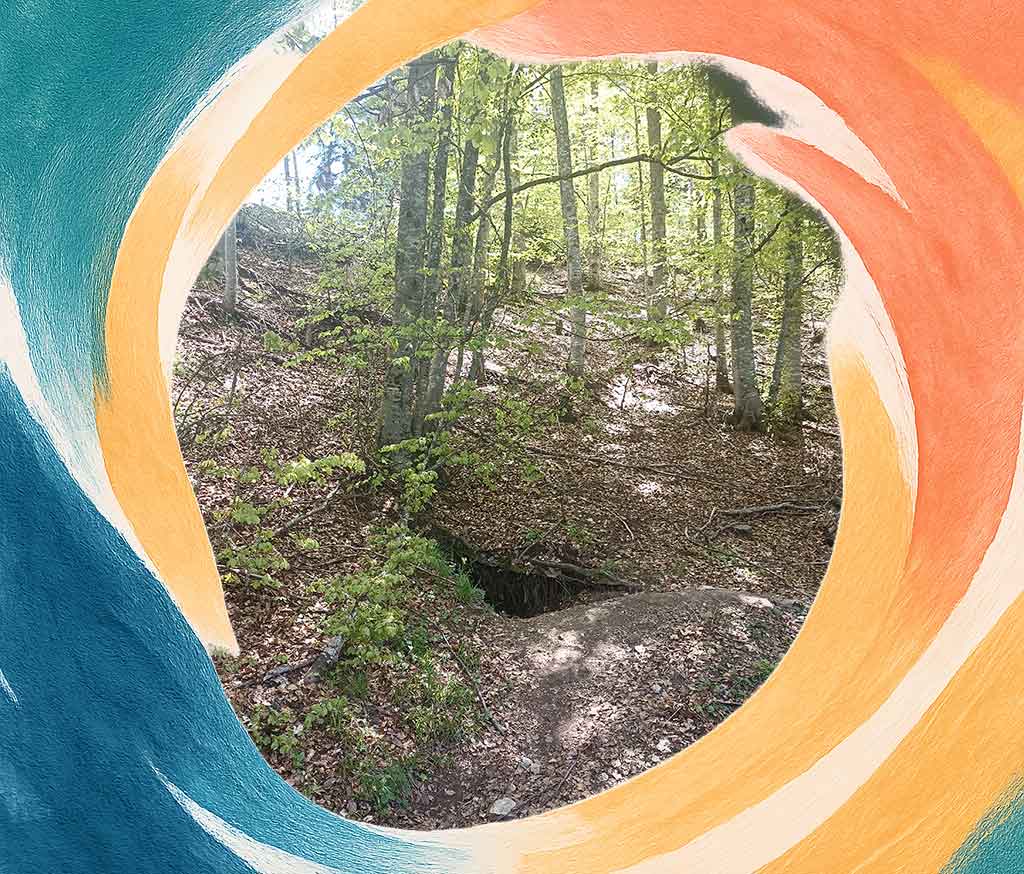
Due to the natural habits of bears to curl and take long winter naps, the park operates from April to October. Most bears in the park fall asleep in November and the park closes for the winter.
When the park is open, you do not need any registration in advance. You pay for tickets on-site. Children under six enter for free, and youths receive a discount.
For the safety of both you and the bears, you cannot roam through the park solo. Instead, a knowledgeable guide accompanies your group, sharing fascinating facts about the bears, the park’s history, and its mission. Do not be upset that visitors can not enter the park zone by themselves. Visits are always in groups and the guides on the spot will quickly accommodate you.
To fully enjoy your visit, plan for about an hour and a half. Guided tours run every 30 minutes and last between 30 and 40 minutes. The first tour starts at 10:00 AM or 12:00 PM, depending on the season. Usually from September until November, the park opens later, at 12:00.
In the autumn, the park accepts visitors but with reduced operating hours to ensure peace and seclusion for the bears as they prepare themselves and their dens for the long sleep. For their winter sleep, each bear digs a den with an entrance about 50-60 centimeters wide. In contrast, the length of the den is about four meters. It is in these dens that the bears indulge in their long sleep. The bears’ peaceful sleep is also due to the fact that in November, when they head to their dens, the park closes its doors to visitors. If you visit the park in late autumn, some of the animals will already be in their winter sleep.
You cannot visit the park during the winter and early spring because the bears are hibernating. During this time, they are in their winter sleep and there is nothing to see.
The Bears’Autumn Feast for Hibernation
The winter sleep of the residents of the Belitsa Bear Park in Bulgaria is a cause for joy among the caretakers. All the bears rescued in the park had not had the opportunity to sleep during the cold months before their arrival. When a bear makes a den and falls into its winter sleep, it is a success for the park because it means the bear is adapting well, feels calm, and is reclaiming its wild instincts, which had been suppressed.
The bears go into hibernation, or more popularly, “winter sleep,” at the end of October or during November, depending on how warm the autumn is. However, the residents of the bear park near Belitsa sleep longer than bears living in the wild. This is likely due to the fact that in the park, they receive their food regularly, and their dens are protected from intruders like people and other animals.
In the autumn, the bears consume between 15 and 20 kilograms of food per day. If you visit the park in the fall, you can see them enjoying their special pre-hibernation diet. Their menu includes fruits and vegetables, fish, nuts, and honey. The amount of food consumed by the park’s residents in autumn is significantly greater than in other seasons. Usually, in the spring, the bears receive about five kilograms of food, and in the summer, about 10 kg. On the threshold of winter, the residents of the Belitsa Bear Park in Bulgaria prepare for hibernation, and with that, their menu changes. In the autumn, even though there are still sunny days, the mornings and evenings are quite cold, which reminds the bears that it is time to go to sleep for the winter.
Terrain and Accessibility
The park features steep slopes and over 100 stairs, making it unsuitable for visitors with mobility issues.
If you are a young family, you are welcome to visit and to bring your little ones! A baby carrier or sling is recommended when visiting with an infant. Baby strollers are impractical due to the rugged terrain.
Comfortable walking shoes are absolutely essential for your visit. Opt for hiking shoes or supportive sports shoes, as the ground is often uneven and can be challenging in places. Be sure to wear comfy shoes, as the pathways throughout the park can be quite steep in certain sections along the tour route.
If you are planning a summer visit, note that while some sturdy models of sandals, particularly sport sandals, may be adequate for the terrain, flimsy flip-flops are a definite no-go. Footwear like flip-flops and high heels are entirely unsuitable for this type of environment.
How to Help and What to Bring for the Bears
Yes, you can bring something for the bears!
Bears love apples, pears, cucumbers, and they are open to other fruits and vegetables so feel free to surprise them with something fresh and seasonal!
For example, the bear Boyka loves melons. If you bring one or two, she will love it! Dana the bear likes carrots. She enjoys having a nice tasty carrots in the front paws.
If you wish to donate food for the bears, please hand it directly to our staff. For the animals’ well-being, visitors may not feed the bears themselves. Whatever you select from the fruit and veggie stand, our bears will greatly appreciate the treat! Our staff will then deliver your gift to them with care and affection.
By visiting, you support the park’s mission, giving rescued bears the peaceful, dignified life they deserve.
You can support their vital work of the park by making a donation online through the Vier Pfoten (Four Paws) website. You can also “sponsor” or symbolically adopt a bear to contribute directly to its care and spread awareness about their mission.
What Else to Visit in the Area?
To make the most of your day in the area, you can easily combine your visit to the bear sanctuary with other local attractions.
The Rila Fun Park, a local amusement park offering a variety of activities perfect for families with children. It has a few train-type rides: rilafunpark.eu
You should definitely also try the Bulgarian spa complexes. Recharge with a relaxing stop at one of the nearby mineral pools. Hot Springs Medical and Spa Hotel is one of the best in the area.
Where to Stay in the Area of Belitsa Bear Sanctuary
The park is located close but not really into the boundaries of the Bulgarian village Belitsa. The village of Belitsa itself is small and not really rich in accommodation options but nearby there are a few options.
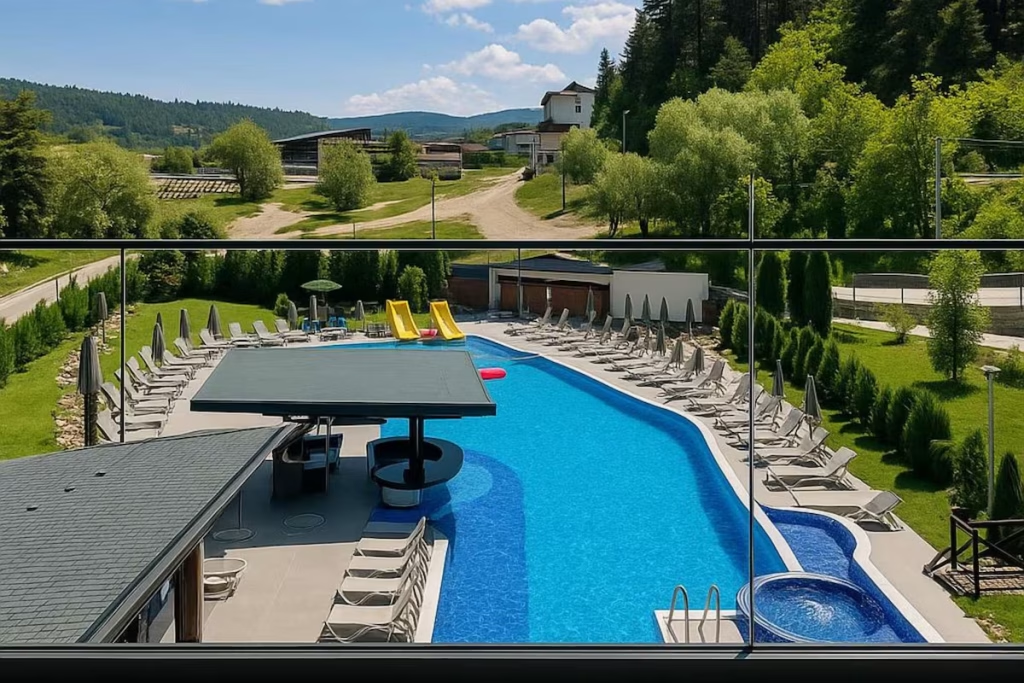
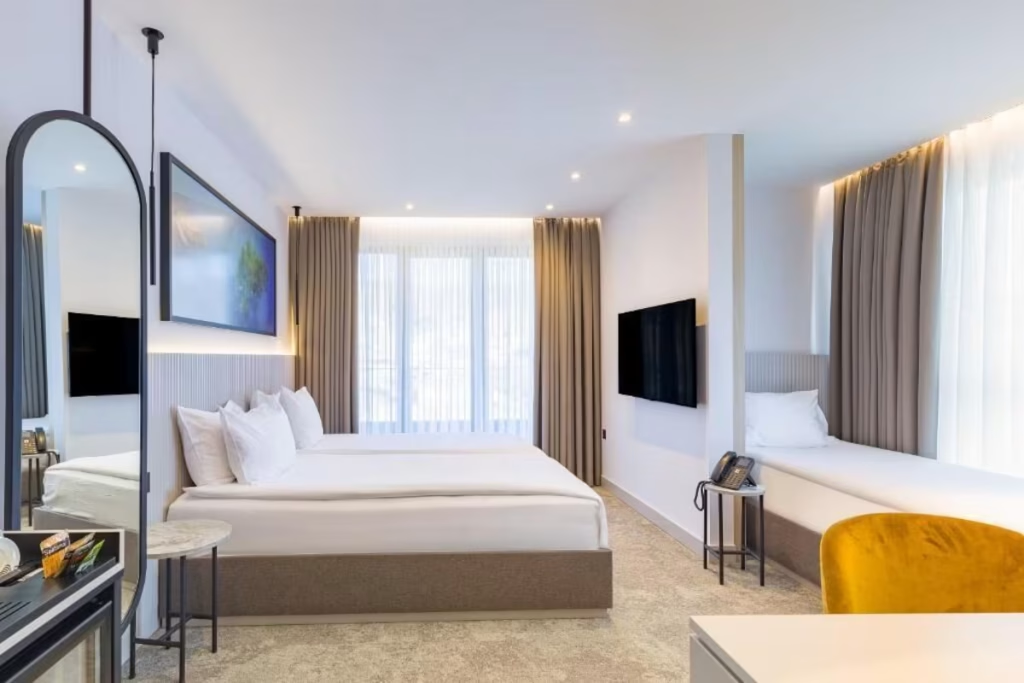
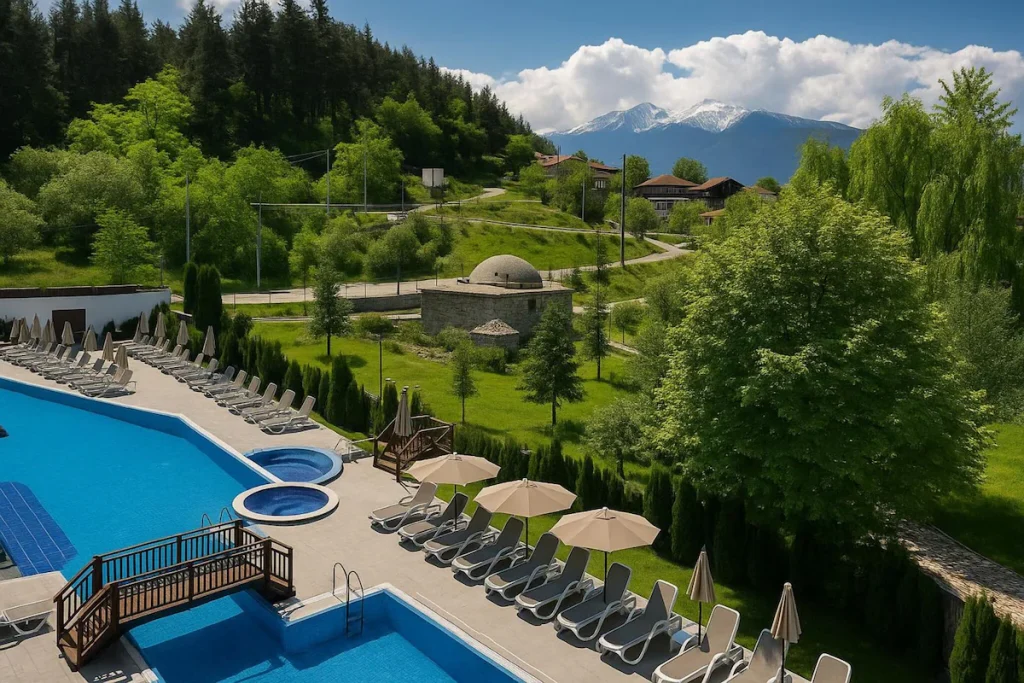
The town of Banya is popular for it mineral springs and proximity to the resort town of Bansko. You can have a great mix of hotel and private hosts here, each having its own perks. Large spa hotels include Therme and Renum Banya.
FAQ About the Bears in Belitsa Park
The park is a joint project of the Austrian-based animal welfare organization Vier Pfoten (Четири лапи, Four Paws) and the Brigitte Bardot Foundation from France, in cooperation with the Bulgarian government.
Yes, it is considered an ethical visit. Your entrance fee directly contributes to the care, feeding, and medical treatment of the bears. The park’s primary goal is education and conservation, not entertainment. Visitors learn about the cruel history of the dancing bears and the importance of animal welfare.
The bears at the park are Brown Bears (Ursus arctos), which is the species native to the Balkan region.
No. Due to the severe physical and psychological trauma they endured, most of the bears cannot fend for themselves in the wild. Many have damaged teeth and claws, and they have become habituated to humans. The sanctuary provides them with a permanent home that mimics their natural habitat as closely as possible.
The park is dedicated specifically to brown bears. However, as the sanctuary is set in a large, forested area, you might spot other local wildlife like birds, squirrels, and insects in their natural habitat.
Useful Links
- Belitsa Park in Bulgaria – Bear Sancuary, official page
- Follow Belitsa Bear Sanctuary on Facebook where the feed is regularly updated with cute photos and news
- Four Paws Foundation (Четири лапи – България)
- Four Paws International
- Brigitte Bardot Fondation
# #Belitsa Bear Park, #Dancing Bear Sanctuary, #Bulgaria Animal Sanctuary, #Ethical Tourism Bulgaria, #Brown Bears Bulgaria, #Visit Belitsa Park, #Four Paws Bulgaria, #Rescue Bears, #Day Trip from Sofia, #Belitsa Travel Guide
See other magnificent ideas for animal lovers in Bulgaria: