Beyond the sun-soaked beaches and bustling resorts of Bulgaria’s Black Sea coast lies a shadowy, little-known world, off-limits zones steeped in mystery, power, and intrigue. From secretive political estates and Soviet-era oil terminals to radioactive shorelines and rare bird sanctuaries, this stretch of coastline tells a story few travelers ever hear. These places aren’t found on postcards, but they offer a thrilling glimpse into the country’s hidden layers. Dare to explore, and you’ll discover Bulgaria at its most enigmatic.
- Forbidden Shore: Vromos Bay
- Warship Shadows: Burgas Naval Base
- Black Gold Harbor: Rosenets Oil Terminal
- The Untouchable’s Lair: Dogan’s Saray
- Wild Eden: Poda Bird Sanctuary
- Where to Stay
Forbidden Shore: Vromos Bay
Chernomorets’ Dark Secret Beach
Golden sand, turquoise water, and a radioactive past. Welcome to Vromos Bay, one of Bulgaria’s most hauntingly beautiful and controversial stretches of shoreline.
Located on the West side of the town of Chernomorets, Vromos was once a dumping ground for radioactive tailings from the nearby Rosen Mine. High levels of uranium and radium contaminated the area for decades, leaving an invisible scar beneath the sand. Though remediation efforts have been made, sand and rock barriers have been laid and there were cleanup initiatives, the radiation still lingers in whispers and rumors.
Local businesses have fought hard to downplay the bay’s past, some even threatening legal action over “bad publicity.” But according to the health authorities the radiation persists, and so does the caution.
So, would you sunbathe on a radioactive beach? For some, it’s an instant “no.” For others, it’s an irresistible invitation to brush shoulders with danger while sipping something cold under an umbrella. Either way, Vromos Bay is unforgettable.
Where to stay (or where to avoid staying): The town of Chernomorets located right next to Vromos Bay offers variety of accommodation options. The town is small and the walk to the radioactive beach will not take long.
Warship Shadows: Burgas Naval Base
NATO’s Silent Sentinel on the Black Sea.
Just beyond the beaches of Atia, hidden behind a veil of concrete walls and barbed wire, lies Burgas Naval Base, a crucial outpost for Bulgaria and NATO in the Black Sea.
Though the base is strictly off-limits to the public, the naval ships, painted in sleek, camouflage hues, can sometimes be seen from nearby roads or coastal viewpoints. Their presence is a stark contrast to the leisure boats bobbing in Burgas’ tourist marinas. These vessels are not here for show, they’re here for strategy.
If you’re lucky, you might catch an open day or school-organized visit, but regular tours are nonexistent. Still, just knowing it’s there adds an edge of intrigue to Burgas’ sunny, seaside charm.
Black Gold Harbor: Rosenets Oil Terminal
Bulgaria’s Soviet-Era Energy Lifeline
Venture just south of Burgas and you’ll catch a glimpse of something rarely featured in guidebooks: the Rosenets Oil Terminal, a relic of Bulgaria’s Cold War industrial might. Built in 1963 and long operated under Russian concession, this massive oil port was a key cog in the country’s Soviet-era economy. It is equally important today too! At full tilt, Rosenets could handle up to 18 million tons of oil annually and berth ships weighing up to 75,000 tons.
For decades, this strategic installation supplied the nearby Lukoil refinery, operating in a shadowy gray zone of geopolitics and commerce. But times are changing. Following Russia’s war in Ukraine and shifting EU policies, control of the terminal has now passed into Bulgarian hands.
You can’t visit Rosenets Port, security is tight and access is restricted, but you can view its silhouettes from the surrounding hills or beaches, especially near the nearby Otmanli Park. There’s something awe-inspiring about its colossal stillness, a giant asleep at the edge of the sea.
The Untouchable’s Lair: Dogan’s Saray
Bulgaria’s Most Controversial Beachfront Estate
Nestled on a pristine cape with commanding views of the Black Sea, oil terminal, and naval base lies an opulent palace locals whisper about, the Saray of Ahmed Dogan. “Saray” means “palace” in Turkish, and this estate, rumored to have been built in quiet defiance of coastal zoning laws, is as shrouded in mystery as it is in controversy.
Dogan, a powerful political figure and former intelligence associate during Bulgaria’s communist era, is said to have handpicked this location not for its beauty, but for its vantage point: looking at the whole Burgas bay, the Oil Terminal and the Naval Base. The estate’s origins are murky, its ownership disguised behind companies with foreign, often Russian, co-owners.
Don’t expect a tour or a glimpse past the guarded gates, but if you find yourself hiking near the cliffs or wandering the nearby coast, you might spot the gleam of rooftops behind dense foliage. If you’re very lucky, you might even see Dogan himself, Bulgaria’s most elusive political figure, watching over his empire from the edge of the sea.
Wild Eden: Poda Bird Sanctuary
Where Europe’s Skyways Come Alive
Just a stone’s throw from Burgas’ urban heartbeat lies a wetland wonderland few travelers expect. Managed by the Bulgarian Society for the Protection of Birds (BSPB), the Poda Bird Sanctuary is a living postcard of biodiversity, where nature flourishes in a spectacular mosaic of reeds, lagoons, and sky.
This ecological gem is perched along the Via Pontica, the second-largest bird migration flyway in Europe. Twice a year, skies above Poda come alive with the sweeping wingspans of white storks, graceful egrets, and the rare Dalmatian pink pelican. With 273 bird species recorded, it’s one of the most important ornithological sites on the continent. Here you can also observe various mamals, fish, reptiles and plants.
Though it’s within Burgas’ city limits, Poda feels worlds away. Access to the area is protected, so wandering off-trail isn’t permitted, but don’t worry, that’s part of the charm. A small entrance fee grants you access to a guided tour with local experts who are as passionate about birds as they are about storytelling. Binoculars in hand, you’ll be ushered to discreet bird hides and observation decks. You’re not just watching nature here, you’re immersing yourself in it.
Where to Stay
For the redioactive Vromos bay your best option is to stay in the town of Chernomorets. It is located right next to the Vromos bay and offers variety of hotels, apartments for rent and even camping. The town is small and the walk to the radioactive beach will not take long.
As for the other locations from this dark list, you can have a look at two nice options:
St. Anastasia Hotel
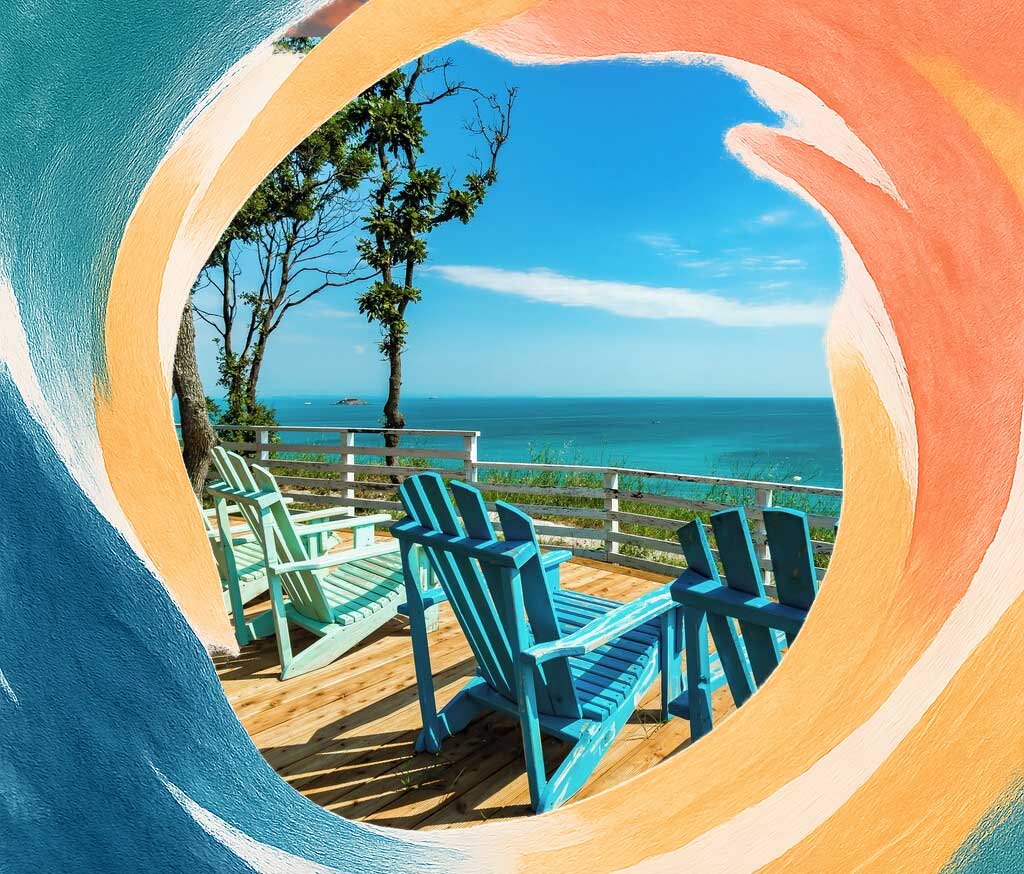
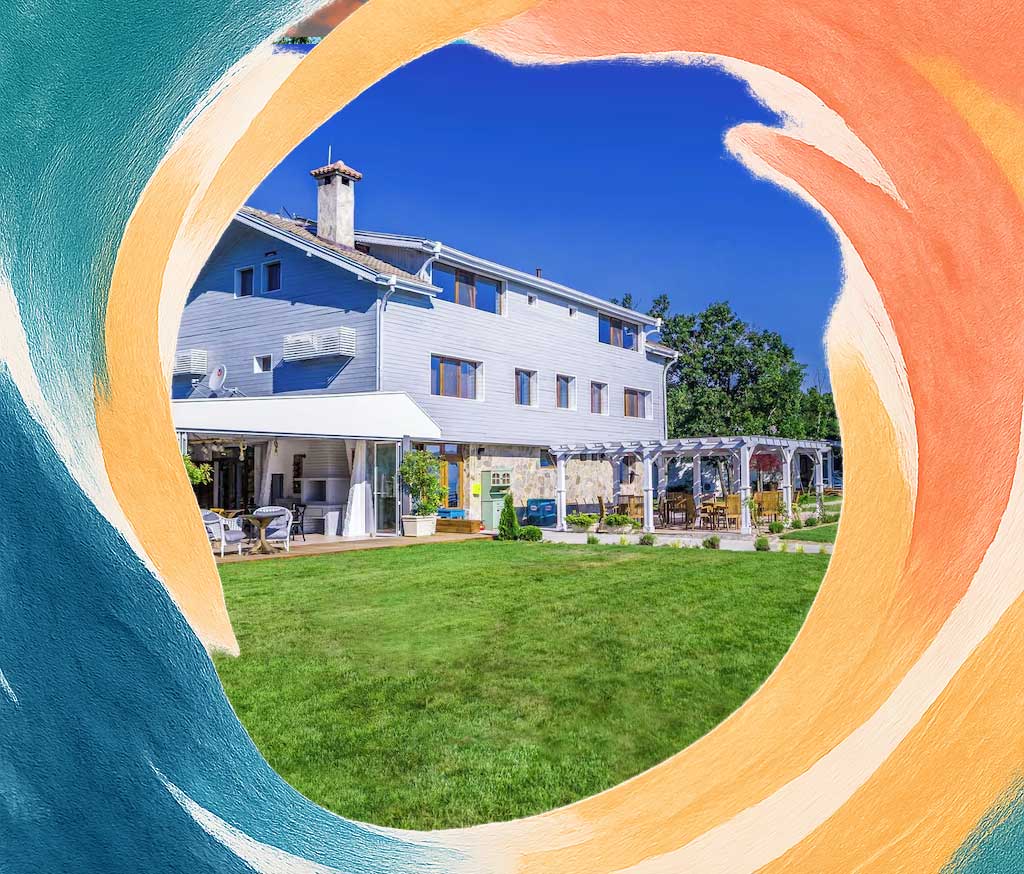
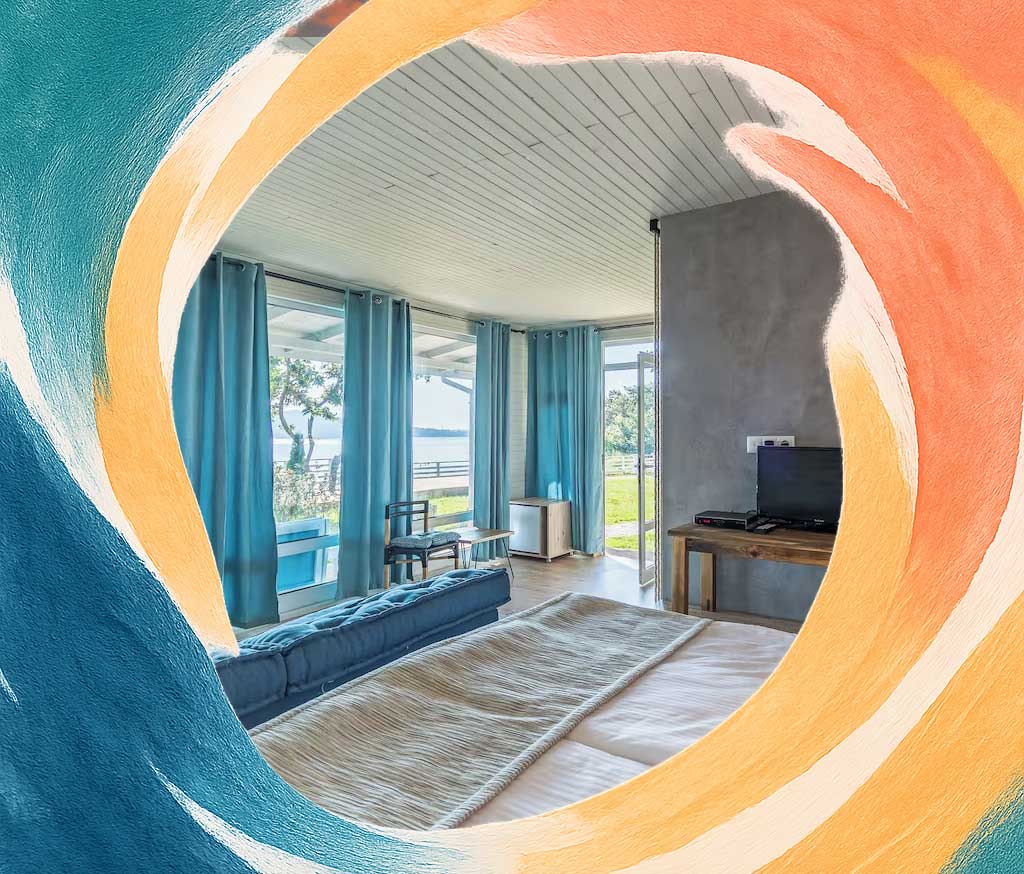
The small boutique hotel St. Anastasia has just 20 rooms and this makes it great for boutique experience with personal touch. It is built on a picturesque rock nested in the Otmanli (Rosenets) park.
Utopia Forest


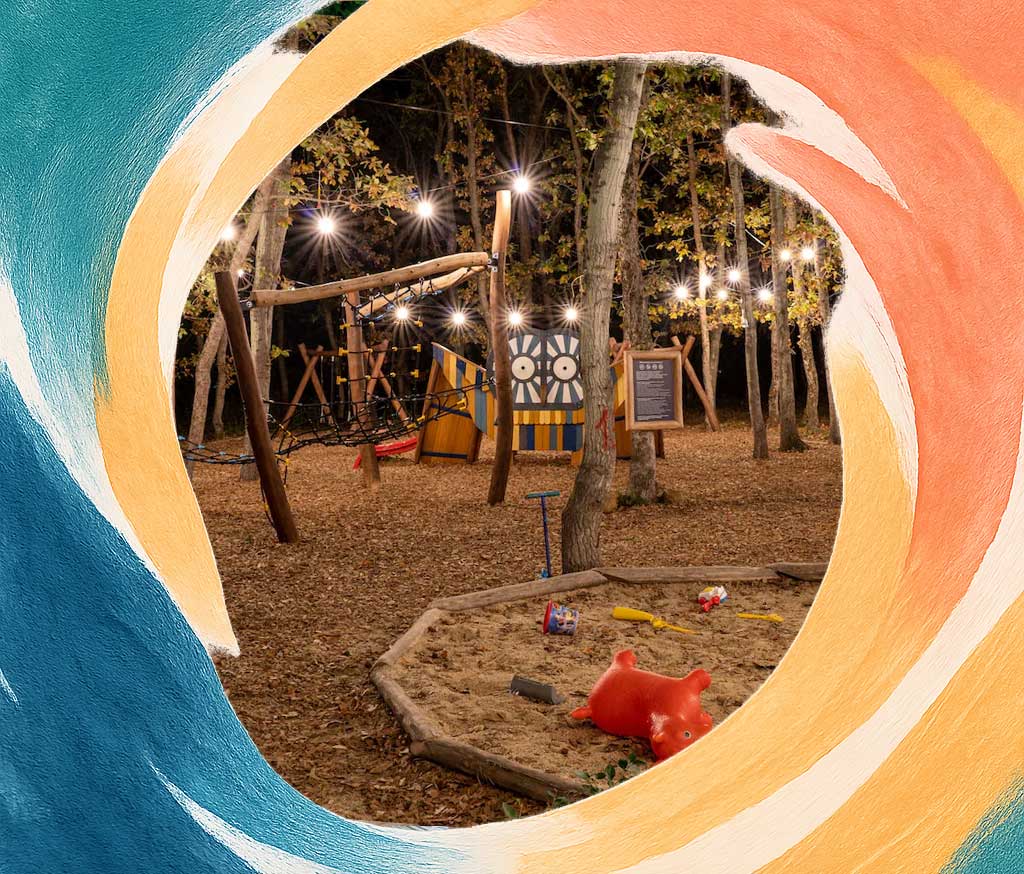
Utopia Forest offers hotel rooms as well as small villas for rent. It has nice playground for kids and small but sufficient spa zone where parents can relax while the animators take care of their little ones. Honorable mention: The dogs Vigo and Sheila who reside at a special house at the hotel property, will conquer your hearts.
Explore at Your Own Risk
Bulgaria’s Black Sea coast is more than beaches and resorts. It’s a frontier of hidden histories, environmental wonders, and geopolitical intrigue. From bird sanctuaries to oil ports, forbidden palaces to radioactive sands, this is travel at its rawest and most revealing.
Welcome to the edge.