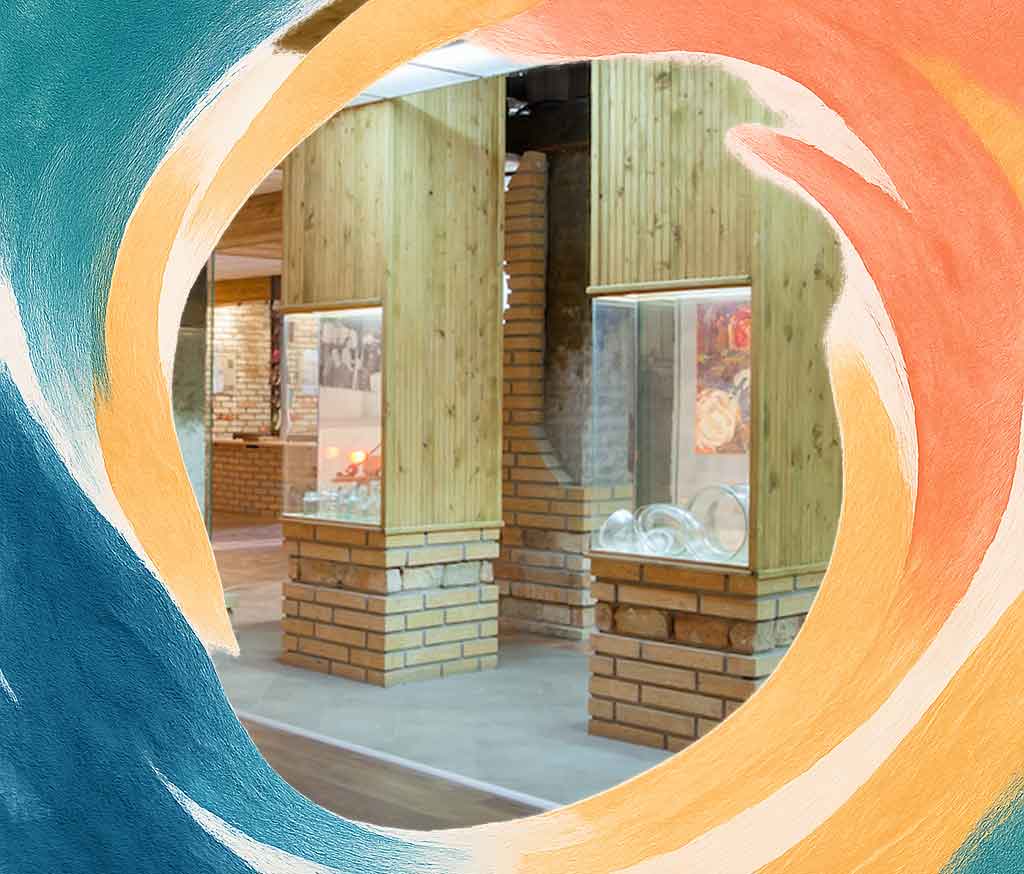
If you’re searching for something truly out of the ordinary to do along Bulgaria’s coast, step off the beaten beach path and head west, just 20 minutes from Varna lies an unexpectedly mesmerizing blend of art, craftsmanship, and industry. Welcome to the Glass Museum near Varna, located in the town of Beloslav. This is a place where molten material, intense heat, and human skill come together to create beauty.
Set on the shores of the tranquil Beloslav Lake, near the Yatata bird reserve, this factory-turned-museum is far more than a technical detour. It is one of the best things to do in Varna because it’s a sensory journey through colour, form, and fire. Here, visitors can witness glass being born from gritty sand to glowing liquid to delicate, shimmering objects and even participate in the process. It’s industrial tourism reimagined, offering a rare peek inside a world most only glimpse through polished windows and gallery displays.

TL;DR – Why Visit the Glass Museum & Factory Near Varna?
- Live glassblowing shows
- Unique industrial tourism experience
- Stunning installations (Glass River, Glass Cave)
- Perfect Varna day trip
- Hands-on souvenir crafting
- Submarine Slava nearby
History of the Glass Museum Near Varna and Beloslav’s Glassmaking Legacy
The history of glassmaking in Beloslav dates back to 1893, when the first glass factory in Bulgaria was founded right on this very spot. The reason? Quartz sand. Rich in silicon, this essential raw material is what gives Beloslav its long-standing reputation as the home of Bulgarian glass.
Fast forward to 1997, and the company INHOM was born. It was established with private capital and determined to preserve and develop the century-old glassmaking techniques of the region. Today, INHOM is the last active enterprise in the area still practising this intricate craft. Its mission bridges the traditional with the modern. In the factory you can witness the time-honoured methods of hand-blown glass production and cutting-edge technology.
And while INHOM supplies artistic and functional glassware around the globe, everything from brightly colored bottles to bespoke vases, it also opens its doors to curious travelers and lovers of craft who want to get closer to the magic of molten glass. The place offers an experience that is tactile, visual, and entirely unforgettable.
Live Glassblowing Demonstrations at the Glass Museum Near Varna
Your tour in this Museum of Glass in Bulgaria begins with a warm welcome from glass technologists, who acts as both guide and storytellers. They lead you through the museum’s industrial heart, where you’ll learn about the materials used to make glass, including the quartz-rich sands that have fuelled Beloslav’s industry for over a century.
Then comes the unforgettable part: a live glassblowing demonstration in the actual workshop. Here, in front of your eyes, a glowing glob of glass is coaxed into shape by a master blower using nothing more than breath, skill, and precision tools. Within minutes different hand-blown items take shape. The delicate, molten sculptures formed in the very heat of furnaces burning at up to 1800 degrees Celsius.
There’s a particular kind of magic to watching this ancient process unfold in a working factory setting. The atmosphere is glowing, and under the skillfull hands of the artisans the forms come alive. You will experience the roar of the ovens and the glint of the finished pieces, cooling on nearby shelves. It all comes together in an dance between fire and form.
Wander Through Glass Worlds and Exhibitions at the Glass Museum Near Varna
After the demo, the experience in the Museum of Glass near Varna continues through the atmospheric exhibition spaces. A walk through this section is a multi-sensory voyage.
One of the highlights is the Glass River, an imaginative installation that feels like stepping into a fairytale. Then there’s the Glass Cave, a former furnace turned into an enchanting display. Peer into its depths and see how fire has tamed raw elements into a smooth, tranquil mass, a transformation that lies at the heart of all glass artistry.
The exhibits include functional items like bottles and vases, and intricate works of glass art such as sculptures, animal figures, and decorative objects. These fine examples are among the best you can find from the industrial tourism in the Varna region. All objects glow under artful lighting that amplifies their colours and textures, making this glass factory tour one of the best in Bulgaria.
The Glass Museum and factory near Varna is one of the most unique attractions in Bulgaria, perfect for travellers seeking an authentic and artistic day trip from Varna.
From Gas Crisis to Creation of the Glass River Installation

What looks like an art installation today was once a symbol of survival. The Glass Cave in Beloslav is actually a 10-ton cooled glass furnace, a remnant of the 2009 gas crisis that shook Bulgaria. Then Russia cut off the gas supplies to several countries and Bulgaria as a whole was severely affected because 95% of its gas came through that single route. The shutdown affected many businesses. During that time, gas supplies halted, forcing four of the Glass factory’s ever-burning glass furnaces to go cold. It was a first in their long history.
Instead of scrapping the massive equipment, the factory’s management turned crisis into creativity, re-purposing furnace parts into the stunning Glass River installation which is today part of the exhibition at the Glass Museum near Varna. As light dances on its surfaces, visitors experience a beautiful metaphor where glass, light, and water collide.
Today, the Glass factory stands as a beacon of sustainability. It now operates its own water power plant, harnesses solar energy, and proudly remains energy independent thanks to huge batteries. Innovation continues to be at the heart of its mission, with ongoing initiatives focused on glass recycling and sustainable production. The Glass Cave is a powerful story of resilience, transformation, and forward thinking.
Create Your Own Souvenir at the Glass Museum Near Varna
But perhaps the most memorable part of the experience is that the Glass Museum near Varna is a place to create. You can be part of the magic with hands-on activities offered by the museum at the factory!
Visitors are invited to try their hand at decorating pre-made glass objects. Using transparent paints and a little imagination, guests can transform simple glass forms into personalised keepsakes. This hands-on opportunity adds a special touch to the visit. You’re witnessing craftsmanship while you’re becoming part of it!
These personal creations can be taken home, alongside other unique souvenirs available in the exhibition hall: handmade candlesticks, delicate bowls, charming glass animals, each one crafted with skill and no two exactly alike. Choose your favourite and carry a piece of Beloslav’s artistry with you. It will be a reminder of your brief but meaningful dip into a world shaped by fire and finesse.
What to See Around Beloslav: Submarine Slava and Nearby Attractions
As soon as you step into the courtyard of the glass factory, nestled right beside the ferry landing on the lake’s edge, your attention is immediately drawn to an unexpected sight. The submarine “Slava”. Half-submerged in the still waters, with its conning tower and upper hull rising above the lake’s surface, the vessel greets curious visitors with silent grandeur.
“Slava” holds a special place in Bulgaria’s naval history. It was the last operational submarine in the Bulgarian Navy, faithfully serving the country until its decommissioning in 2010. The owner of the Glass Factory that runs the Museum of Glass near Varna was part of the group of individuals and organisations that invested in its preservation and transformation as a museum. Today the Cold War submarine museum stands as both a striking landmark and a fascinating symbol of Bulgaria’s maritime legacy, offering a dramatic contrast to the delicate world of glassmaking just steps away.
The location itself adds to the charm. With Beloslav Lake stretching nearby and the Yatata bird reserve close enough for a nature walk or quiet moment of birdwatching, this glassmaking tour can easily be combined with other low-key adventures in the area.
This place is about slowing down, watching something be made from scratch, and appreciating the kind of skill that can’t be rushed or faked.
How to Visit the Glass Museum Near Varna: Opening Hours, Tickets, and Getting There
The Museum of Glass is open to visitors from Wednesday to Sunday, between 10:00 AM and 2:00 PM. It is closed on Mondays and Tuesdays, and opening hours may vary on public holidays such as Easter and Christmas, so it’s a good idea to check the Glass Museum’s official website and Facebook page before you go.
You can easily extend your visit to the Glass Museum near Varna by exploring other fascinating attractions in Beloslav. Check our guide that will take you on a day-trip from Varna through nature, gastronomy and curiosity!
You can also book a tour that will be adjusted to your pace.
If you opt for self-discovery, you can reach Beloslav by public transport, you can choose between regular buses from Varna Bus Station (including the #14 to Devnya, which stops in the town of Beloslav) or trains from the Central Train Station. If you get lost or see signs in Cyrillic, look for ‘Белослав Център‘.
Both buses and trains arrive on the north side of the lake. The Glass Museum in Beloslav is located directly across the water on the southern shore. To reach it, you’ll take a short, scenic ride on the “Belferi” ferry. The ferry runs every 10 minutes and adds another layer of unique experience to your trip!
If you’re driving, you can choose your own adventure. The direct northern road is the quicker option, while the southern alternative is a more leisurely drive, taking you over the iconic Asparuhov Bridge and past idyllic villages along the lake.
FAQ About the Glass Museum near Varna
Yes, the museum can be a fascinating visit for children, especially those interested in art, science, and shiny objects! However, always supervise children closely around delicate displays.
A visit to the museum itself typically takes between 30 minutes to 1.5 hours, depending on your interest level.
You cannot create a glass figure from scratch due to the high temperatures and skilled techniques required, but you can participate in our popular “Design Your Souvenir” activity. Every visitor can decorate a pre-made, cooled glass figure. It’s a perfect way to touch the magic of glass and create a personal keepsake. And there are no age limits!
You can unleash your creativity by decorating ready-made glass items. You choose a glass figurine (like an animal or ornament) and adorn it with delicate paint and materials provided by the museum. This is your chance to create a unique, personalised souvenir to take home as a special memory of your visit.
Useful Links
- Glass Museum in Beloslav (official website)
- Glass Museum in Beloslav (official Facebook page)
- Varna Bus Station (offical website, search for Белослав – Център – Beloslav Centre)
- Daily buses from Varna to Beloslav
- Intercity bus line No. 14 from Varna to Devnya (stop in Beloslav)
- Train from Varna Central Station to Beloslav (Bulgarian Railways, official page)
- Belferi – ferryboat in Beloslav (official website)
Whether you’re staying in Varna or exploring the broader Black Sea region, this unique factory-museum is more than worth a half-day detour. It’s a living testament to Bulgarian craftsmanship, a celebration of industry as art, and a vivid reminder that some of the most extraordinary travel experiences happen in the most unexpected places.
So next time you’re near Varna, dare to leave the beach behind for a few hours. Instead, dive into a world of heat, color, and creativity. The glassmakers of Beloslav are ready to share their story and a piece of their legacy with you.